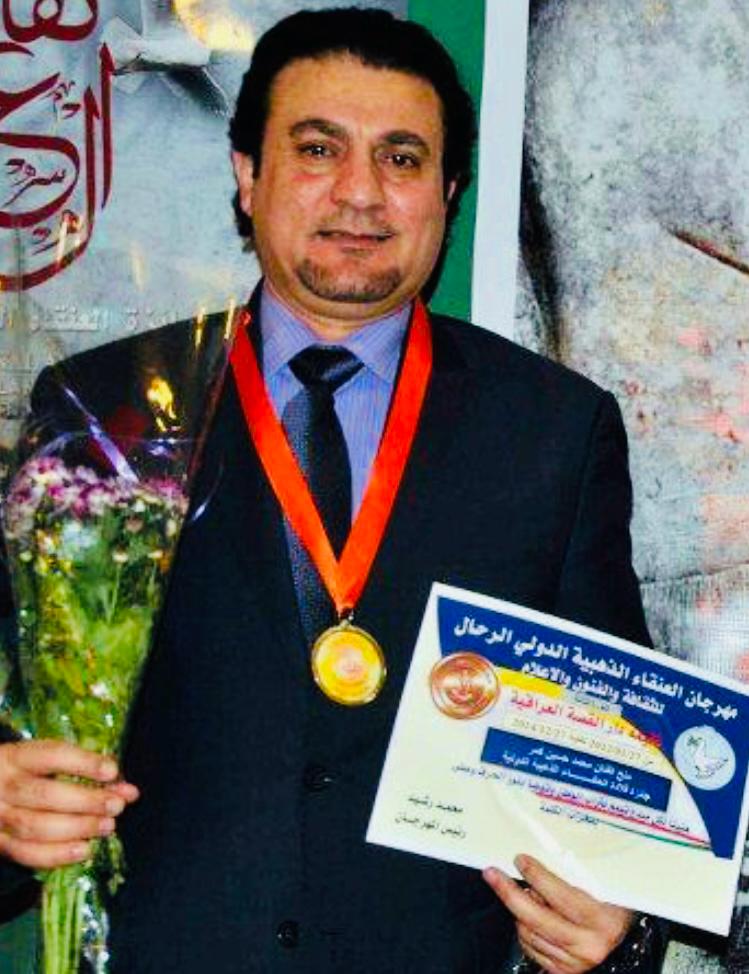
سفيربرس تحاور الفنان العراقي محمد حسين كمر: خبير المقامات العراقية الذي حافظ على تراثها الأصيل
#سفيربرس _العراق _ حاورته دنيا صاحب

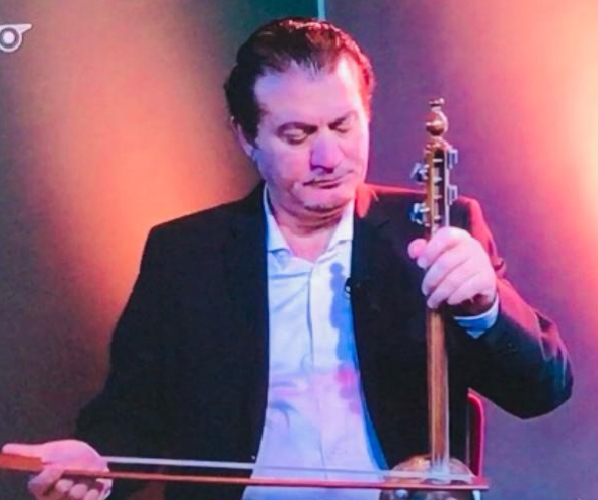
لقاء مع الفنان العراقي محمد حسين كمر:
نصف قرن في خدمة المقام العراقي
وحارسه الشخصي.
مشروع توثيق وتسجيل المقامات العراقية.. خطوة راسخة لحفظ التراث والهوية الثقافية ونقلها إلى الأجيال القادمة.
(الجزء الأول )
تسطع في مسرح الذاكرة العراقية أنغام المقام الأصيل وتُجسّد حضورها عبر مسيرة ضيفنا اليوم، الفنان الدكتور محمد حسين كمر، العازف البارع على آلة الجوزة، الباحث والمؤلف في فنون المقام العراقي. انطلق مشواره منذ دخوله معهد الدراسات النغمية عام 1975، فشهد عن قرب تجارب كبار رواد المقام أمثال شعوبي إبراهيم وهاشم الرجب، ورافق بخبرته وأدائه أسماءً بارزة في مسيرة هذا الفن الخالد. جاب عواصم عربية وعالمية مقدّمًا المقام العراقي رسالة وهوية متجذّرة في وجدان العراقيين. في هذا الحوار، يكشف الفنان محمد حسين كمر بعض أسرار تجربته الممتدة لنصف قرن، ويستعرض رؤيته لتاريخ المقام العراقي ومستقبله في ظل التحولات التقنية والفنية المعاصرة، لنغوص معه في تفاصيل هذا التراث العريق.
• في البداية، نرحب بضيفنا المبدع الفنان محمد حسين كمر.. كيف تصف مسيرتك الإبداعية الموسيقية مع المقام العراقي؟
– بدأت مسيرتي الفنية الأكاديمية الحقيقية منذ دخولي إلى معهد الدراسات النغمية العراقي عام 1975، وكنت أحد طلبة الدورة الخامسة في المعهد، حيث كانت مدة الدراسة فيه ست سنوات بعد المرحلة المتوسطة، ويمنح شهادة دبلوم فن عالٍ تعادل شهادة البكالوريوس لأغراض التعيين في وزارة الثقافة. لذلك تُعد دورتي من الدورات المؤسسة لهذا المعهد الذي تأسس عام 1970 من قبل وزارة الإعلام العراقية في عهد الرئيس أحمد حسن البكر، وكان المعهد يُعد في حينه صرحًا ثقافيًا متفردًا على مستوى الشرق الأوسط في حفظ التراث الموسيقي العراقي المتمثل بالمقام العراقي.
وأثناء مرحلة الدراسة عاصرت غالبية الرواد والمختصين بهذا اللون الغنائي، أمثال أستاذي شعوبي إبراهيم الذي درست على يديه أصول الغناء وعزف المقام العراقي، وكذلك تعرفت على الأستاذ الحاج هاشم الرجب، خبير المقام العراقي. إضافة إلى مصاحبتي بالعزف على آلة الجوزة لغالبية قراء المقام الرواد أمثال: يوسف عمر، وشعوبي إبراهيم، والحاج هاشم الرجب، والدكتور حسين الأعظمي، وسعد الأعظمي، وحمزة السعداوي، وعبد الجبار العباسي، ومجيد العاني، وعبد الملك الطائي، وصلاح عبد الغفور، وحامد السعدي والكثيرين من رواد هذا الغناء. كما شاركت في مهرجانات عديدة في مختلف أنحاء العالم ضمن عملي في فرقة التراث الموسيقي العراقي التي أسسها الفنان الكبير منير بشير، لتقديم هذا اللون الغنائي التراثي في المهرجانات والمحافل المحلية والعربية والعالمية.
• إلى أي فترة يعود تاريخ المقام العراقي، ومن هم أبرز الفنانين الذين ساهموا في تطويره والعمل عليه؟
– إن فن الموسيقى والغناء في أي عصر من العصور هو انعكاس لحياة المجتمع وسلوك أبنائه، وهو أسلوب تعبيري صادق عن الأفكار والمشاعر والأحاسيس التي تتوارث عبر الأزمان من جيل إلى آخر. والمقام العراقي نوع من الغناء والموسيقى يعبّر عن أسلوب وتفاصيل حياة الناس وممارساتهم ونشاطاتهم الثقافية والحضارية. وقد اختلفت الآراء حول تاريخ ظهور المقام العراقي؛ فهناك من ينسبه إلى العصر العباسي، كما ذكر الباحث الموسيقي شعوبي إبراهيم، أما هاشم الرجب فينسبه إلى فترة الحكم العثماني في العراق، والتي امتدت خمسة قرون. أما أنا شخصيًا فأرى أن فترة النشأة وتطور هذا الشكل الغنائي تعود إلى العصر العباسي (750–1258م)، حيث كانت بغداد آنذاك مركزًا للإشعاع الحضاري الذي شمل مختلف العلوم والآداب والفنون، واستقطب طلبة العلم من أنحاء العالم. ويذكر الدكتور طارق حسون فريد أن بغداد كانت تضم مدارس كثيرة لتعليم الموسيقى والغناء، وقد ظهرت في هذه الفترة أسماء بارزة مثل: إبراهيم وإبنه إسحاق الموصلي، وإبراهيم المهدي، وزرياب. وفي هذه المرحلة اختلطت الألحان الحضرية والبدوية والقديمة والحديثة، ونشأت خلالها مدرستان:
مدرسة إبراهيم وإسحاق الموصلي، التي حافظت على الأساليب والأصول القديمة (الكلاسيكية).
مدرسة إبراهيم المهدي، الأخ الأصغر للخليفة هارون الرشيد، والتي شجعت على الخلق والابتكار والإبداع تحت مسمى الاتجاه الرومانتيكي.
وقد اعترض إبراهيم وإسحاق الموصلي على إبراهيم المهدي لاتباعه أسلوبًا مغايرًا في الغناء والبناء اللحني، فجاء رده بقوله: “أنا ملك ابن ملك، أغني كما أشتهي وعلى ما ألتذ”. ومن هنا نجد أن نشأة المقام العراقي ارتبطت بحصيلة ونتاج هذه الفترة التي تُعد من أهم وأزهى الفترات في تاريخ الحضارة العربية الإسلامية.
وهكذا استمر هذا الشكل الغنائي بالتطور والتواصل من حنجرة إلى أخرى، ومن معلم إلى تلميذ مما جعله جسرًا للتواصل مع مختلف الثقافات. وما يزال المقام العراقي جزءًا لا يتجزأ من تفاصيل الحياة والهوية البغدادية. وفن المقام من الفنون الغنائية الصعبة، لا يتمكن من أدائه إلا ابن هذه البيئة، وتحديدًا من يمتلك موهبة خاصة وقدرات صوتية ذات مساحة واسعة تمكّنه من الوصول إلى أخفض الطبقات الصوتية وأعلاها، بما يؤهله للتعبير الجمالي والذاتي الذي يبرز شخصية مؤدي المقام ويُميّزه عن أداء الآخرين.
أما في العصر الحديث، فقد شهدت الفنون تطورًا تقنيًا كبيرًا حيث أدى ظهور جهاز التسجيل الصوتي إلى إحداث انعطافة مهمة في مسار الحياة البشرية، إذ ساهم هذا الجهاز في حفظ التراث بصورة أوفر حظًا للفنانين الذين ظهروا منذ بدايات القرن العشرين وحتى اليوم. كما ظهرت في بدايات القرن العشرين مدرستان للمقام العراقي كان لهما دور بارز في الاهتمام به وصيانته والتعريف به داخل العراق وخارجه، وهما:
المدرسة القندرجية: نسبة إلى رشيد القندرجي، وهي المدرسة الكلاسيكية المحافظة على الأصول والقواعد القديمة.
المدرسة القبانجية: نسبة إلى محمد القبانجي، وهي مدرسة التجديد والتطوير، المتأثرة بالثقافات الموسيقية المتنوعة.
• منذ متى بدأت فكرة مشروع تسجيل وتوثيق المقامات العراقية، وما هي الحوافز والخبرات التي أسهمت في إطلاق هذا المشروع الوطني الكبير؟
– بدأت هذا المشروع منذ عام 2010، حيث وُلِدت الفكرة من خلال جولاتي العديدة في مختلف أنحاء العالم، ومن خلال المشاركة في أكثر من 250 مهرجانًا تُعنى وتهتم بإحياء التراث للشعوب. لقد وجدت مدى اهتمام هذه الشعوب المتحضرة بإحياء والمحافظة على تراثهم الموسيقي والغنائي اللامادي، وكذلك من خلال توجه منظمة اليونسكو في تحفيز الشعوب على المحافظة على تراثهم من خلال دعم الجهات والمؤسسات التي تسعى من أجل حماية تراث شعوبهم من الضياع. فولد مشروعي الكبير (تسجيل وتوثيق المقامات العراقية) وذلك لأهمية المقام العراقي الذي يشكل مرتكزًا ومصدرًا للإبداع الموسيقي والغنائي، لما يتمتع به من إمكانات تعبيرية وجمالية تُسحر الأسماع وتساهم في تربية الذوق الفني الرفيع، وتضيف الجديد إلى الساحة الغنائية والموسيقية العربية عبر المحاولات المتواصلة من خلال الجهود الكبيرة التي بذلها الدكتور حسين الأعظمي، سفير المقام العراقي، والذي كان له دور كبير في إدراج هذا اللون الغنائي على الصعيدين النظري والتطبيقي، وأصبح تراثًا لاماديًا معتمدًا من قبل هيئة اليونسكو للثقافة والفنون ضمن تراث 47 بلدًا آخر.
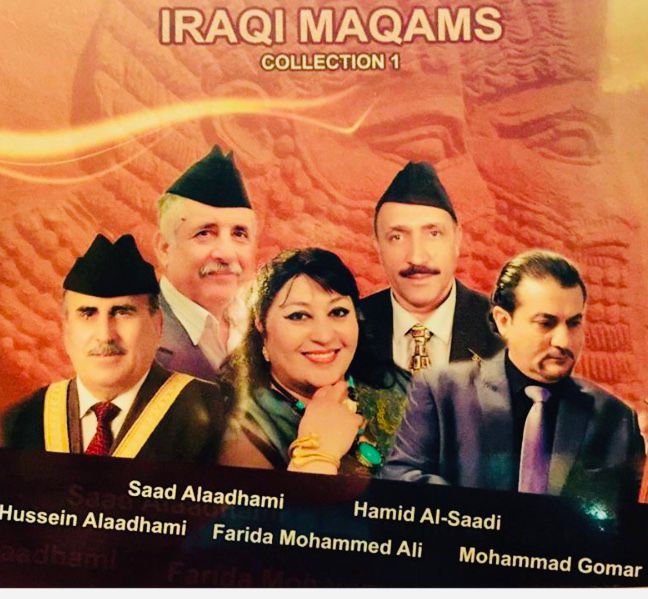
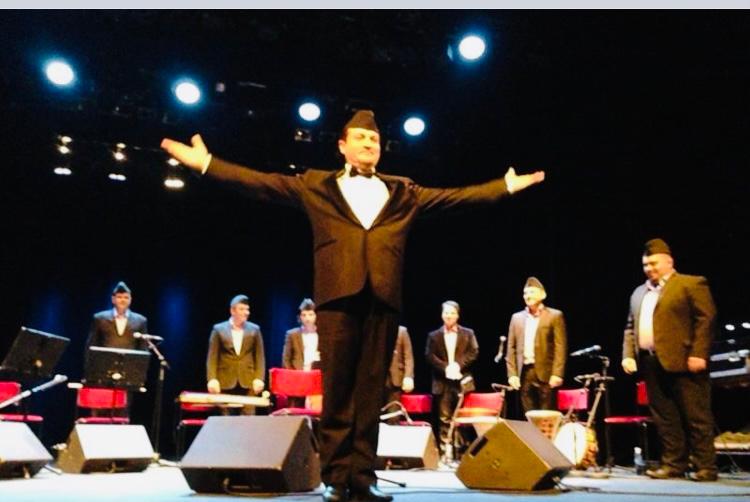
وكذلك من خلال فرقة المقام العراقي، هذه الفرقة التي أسستها عام 1989 مع سيدة المقام العراقي فريدة محمد علي، حيث قدّمت هذه الفرقة حفلاتها في أكثر من 250 مهرجانًا وأكثر من 70 بلدًا في مختلف أنحاء العالم. ويأتي مشروع تسجيل وتوثيق المقامات العراقية بأسلوب تقني متطور ومن خلال أصوات احترافية ومؤهلات أكاديمية معروفة في الساحة الغنائية المؤدية لهذا الفن العريق، وهم: (فريدة – حسين الأعظمي – سعد الأعظمي – حامد السعدي)، والذين يضطلعون بمعرفة عميقة وأكاديمية لأصوله وقواعده الأدائية، محاولين مقاومة حركة النسيان والتشويه لهذا الفن الأصيل من خلال مشاركاتهم على المستويين العربي والعالمي، ساعين لتحقيق هذا الهدف الكبير.
• ما أهمية مشروعك في حفظ المقامات العراقية وهل حصلت على مبادرات لدعمه من جهات رسمية؟
– إن عملية تسجيل وتوثيق هذا الإبداع تُعدّ حفظًا لهذا التراث من الزوال، باعتباره مصدراً إبداعيًا غنيًا للأجيال القادمة وسيتم ذلك من خلال توزيع هذه التسجيلات على المعاهد الموسيقية المتخصصة، وكذلك المؤسسات الفنية والثقافية إضافةً إلى إصدار وطبع كتاب يتضمن كافة الشروحات العلمية والأكاديمية حول المقامات العراقية وطريقة تعليم أدائها للمستمع والقارئ. لقد قدمت مشروعي إلى وزارة الثقافة العراقية ومشروع “بغداد عاصمة الثقافة العربية”، ولكن للأسف لم يلقَ المشروع دعمهم، وذلك بسبب قلة وعي العاملين والمسؤولين بأهمية هذا المشروع الوطني الكبير. إن هذا المشروع يمثل إنجازًا ثقافيًا وفنياً، وعملية لإعادة إحياء تراث المقام العراقي الذي يُعد جزءًا مهمًا من التراث العربي والإنساني، كما يسعى المشروع إلى تنظيم ورش عمل موسيقية وغنائية في المعاهد الموسيقية والمؤسسات الثقافية والفنية في المنطقة العربية، ما يوفر فرصاً للجمهور العربي والعالمي للتعرف على طبيعة هذا اللون الإبداعي، الذي تعرض للإهمال بسبب الظروف السياسية والاقتصادية التي مر بها العراق والتي تركت آثارًا سلبية على منجزات الفن والثقافة. لذلك نطمح أن يكون المشروع نافذة للحوار والتبادل الثقافي مع مختلف الثقافات الإنسانية عبر عالم الموسيقى والنغم.
• ما دور الموسيقار نصير شمه في حفظ التراث الموسيقي العراقي عبر تعاونه معك في توثيق المقامات ونقلها إلى الأجيال القادمة؟
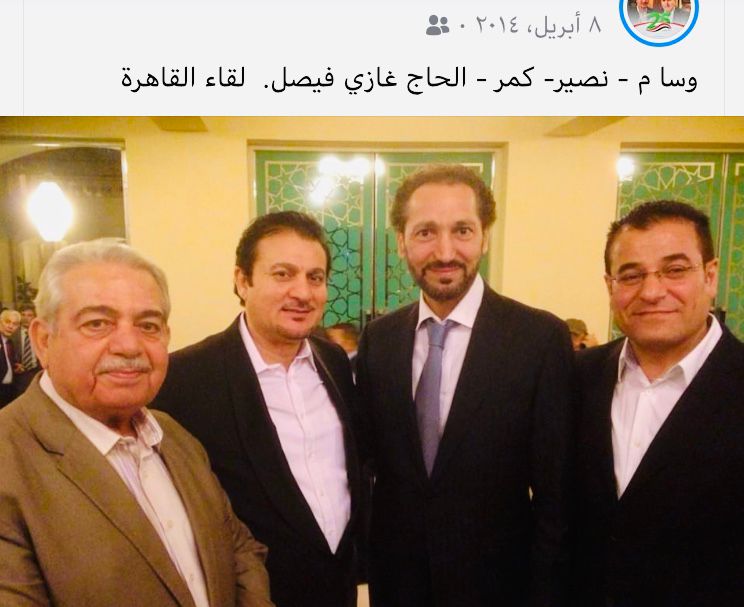
– الفنان الكبير نصير شمة فنان وإنسان مهذب، واسم نفتخر ونعتز به كعراقيين، لأنه رفع اسم العراق في المحافل الدولية. تعود علاقتنا إلى عام 1982، عندما كنت أستاذًا في المعهد، حيث درسته المواد الدراسية الخاصة بالنظريات الموسيقية والصولفيج والإملاء. واستمرت هذه العلاقة الطيبة منذ تلك الفترة، ولا تزال علاقتنا العائلية الطيبة مستمرة كزملاء وأخوة، نكن لبعضنا كل التقدير والاحترام. على المستوى الشخصي والفني، أفتخر وأعتز بأنه كان أحد أعضاء الفرقة التي أسستها في المعهد تحت اسم “الخماسي النغمي” عام 1985، وشاركنا بها سوية في عدة مهرجانات. الفنان نصير شمه فنان مجتهد وإنسان مهذب وخلوق، له دور كبير في نشر الموسيقى العراقية إلى العالم. وقد تعاونا كثيرًا في مجالات متعددة من خلال دعوته لي إلى بيت العود في أبوظبي وفي بغداد، وإلقاء بعض المحاضرات.
وعندما علم بمشروعي (تسجيل وتوثيق المقامات العراقية)، كان من أكبر المشجعين لنا، حيث أبدى استعداده الطيب لمساندة هذا المشروع البالغ الأهمية، الذي يحمل اسم وتراث العراق. وإن شاء الله، من خلال جهوده وعلاقاته الطيبة ودعمه لنجاح هذا المسعى، نتأمل خيرًا بأن مشروعنا هذا سيرى النور قريباً لأنه يدرك تمامًا مدى أهمية المشروع وتأثيره في حفظ تراثنا المقامي للأجيال القادمة.
(الجزء الثاني)
بدأنا الحديث في حوار حصري مع الفنان الدكتور محمد حسين كمر لمعرفة أنواع المقام العراقي، هذا التراث الموسيقي العريق الذي يشكل جزءًا لا يتجزأ من هوية العراق الثقافية. انطلقت مسيرة الفنان محمد حسين كمر منذ التحاقه بمعهد الدراسات النغمية عام 1975، حيث رافق كبار رواد المقام العراقي مثل شعوبي إبراهيم وهاشم الرجب، وشارك في إثراء هذا الفن في محافل عربية وعالمية.
يتناول الفنان محمد حسين كمر شرح الفصول الأساسية للمقام العراقي وأركانه الخمسة ويستعرض دور الفرقة الموسيقية التقليدية “الجالغي البغدادي” في أدائه، بالإضافة إلى علاقته الفنية والشخصية بالموسيقار نصير شمه ودعمه المستمر لمشروعه الوطني الكبير لتسجيل وتوثيق المقامات العراقية.
وهذا النقاش يتيح للمتابع الغوص في أعماق التراث الموسيقي للمقام العراقي، وفهم خبرة وأسلوب الفنان محمد حسين كمر في التدريس الأكاديمي، وكيف حافظ على قواعد أصالته على مدى العقود الماضية.
• ما هي الفصول الرئيسية التي يتألف منها المقام العراقي؟
– أولاً، سُمي بالمقام العراقي لأنه تميز وأشتهر في العراق وفق الأسلوب الذي عُرِف به، ولأن الموسيقيين العراقيين يؤدونه بأسلوب يختلف عن ألوان الغناء المعروفة في البلدان العربية الأخرى، التي تعتبر هذا الأسلوب من الغناء خاصًا بالعراق. فنجد أن البلد الوحيد الذي اقترن اسمه بأسلوب غنائي هو العراق فنقول: المقام العراقي.
ويختلف مفهوم المقام موسيقيًا في العراق عن مفهومه الموسيقي في البلدان العربية الأخرى، ففي العراق يعني أسلوبًا غنائيًا له من الأصول والقواعد المتوارثة، التي ينبغي على قارئ المقام أن يلتزم ويتقيد بها أثناء أدائه للمقامات بينما في البلدان الأخرى تعني السلم الموسيقي الذي يتألف من سبع نغمات موسيقية صعودًا والنغمة الثامنة هي تكرار للنغمة الأولى وتسمى – الجواب – الأوكتاف –Octav-. تختلف تسمية هذه السلالم باختلاف الأبعاد التي تفصل بين نغمات السلم الموسيقي صعودًا أو نزولًا.
إن البناء الفني لأداء المقامات العراقية يقوم على التنوع الإيقاعي واللحني في الأداء ونعني بالتنوع اللحني تلك المسارات والحركة الفنية المتناسقة والمستمرة، المتصلة في التغير والتنوع بين السلالم والأجناس الموسيقية والغنائية والتي سميت بالقطع والأوصال والاستمرار في أداء المقام كوحدة متكاملة. لذلك، فإن قارئ المقام يحتاج إلى مساحة صوتية واسعة وقدرة على الانتقالات والتنويعات النغمية والارتجالية التي تسمى بالقطع والأوصال، وهي واحدة من خمسة عناصر أساسية يعتمد عليها كل مقام على حدة في بنائه اللحني والموسيقي، والتي سنأتي على ذكرها الآن.
وتسلسل هذه الأركان، التي يجب أن يتقيد بها قارئ المقام كبناء فني للمقامات العراقية هو: التحرير والبدوة، القطع والأوصال، الجلسة، الميانة التسليم.
• ما هي الفرقة الموسيقية التي تصاحب قارئ المقام العراقي؟ وما أبرز صيغ المقام العراقي ؟.
– الفرقة التي تصاحب قارئ المقام العراقي تسمى بفرقة الجالغي البغدادي.
الجالغي بالجيم الفارسية المثلثة (هي كلمة تركية الأصل تعني “جماعة اللهو”، وأصل التركيب – جالغي طاقمسي – أي جماعة الملاهي). وقد أشار حسين قدوري في موسوعته الموسيقية إلى أن الجالغي تعني جماعة الطرب أو طاقم الموسيقى، ويبدو أن لفظة “جالغي” في نظر البغداديين كانت تعني حفلة غنائية تقام في الأماسي وفي مناسبات الأفراح والأعراس، والختان وغيرها.
والجالغي البغدادي كما هو معروف (فرقة موسيقية صغيرة تُصاحب قارئ المقام) تتألف من عازفي الآلات الموسيقية التراثية التقليدية: الجوزة السنطور، الطبلة، الرق، النقارة. ولأن المقام العراقي نشأ في مدينة بغداد، فقد سميت الفرقة بالجالغي البغدادي.
ويجب أن تتوفر في أعضاء هذه الفرقة الخبرة والمعرفة بأصول المقام العراقي وقواعده، لأنهم يقومون بأدائها عزفًا على آلاتهم الموسيقية، ولأن القارئ يكون تابعًا في بعض الأحيان إلى الفرقة التي ترسم له الطريق في الانتقالات النغمية، وهذا عكس ما هو معروف عن التخت في الغناء الشرقي، الذي يكون هو تابعًا للمطرب. هناك بعض أركان المقام وقطعه وأوصاله يجب على العازفين الدخول بها أولًا وقبل قارئ المقام، إضافة إلى عزفهم أنغامًا كثيرة ومتنوعة متفق عليها بين قطعة وأخرى في هذه المقامات.
ويشترط كذلك في عازفي الجالغي أن يكونوا ممن يتمتعون بجمال الصوت وحسن الأداء، لأن مهمتهم كانت تتعدى العزف إلى ترديد البستات التي تُغنى في نهاية كل مقام، وذلك لمنح القارئ الاستراحة والتهيؤ لغناء مقام آخر.
إن الصيغ التي كان يُمارس عبرها المقام العراقي في السابق عديدة، وقد ظلت هذه الصيغ فاعلة حتى وقت متأخر من تاريخنا المعاصر. ومن أبرز هذه الصيغ:
1- المقامات العراقية في الموالد والأذكار والمناقب النبوية
2- المقامات العراقية في التمجيد على المنابر
3- المقامات العراقية في المقاهي والمجالس
4- المقامات العراقية في الزورخانة
• كيف ترى مستقبل المقام العراقي في ظل التيارات الموسيقية الحديثة والتقنيات الرقمية المتسارعة؟
– من خلال خبرتي الطويلة الممتدة إلى نصف قرن، أود أن أنبه مؤسساتنا الثقافية والفنية والمسؤولين في وزارة الثقافة، مذكرًا ومنبّهًا إلى خطورة الموقف، مقترحًا تسجيل وتوثيق وأرشفة هذا التراث قبل فوات الأوان، خاصة ونحن نمتلك الآن هؤلاء المؤدين الجيدين والمؤهلين لهذه المهمة وهم في قمة نضجهم وعطائهم الفني.
ولما نعهده من مؤسسة اليونسكو الراعية دائمًا لثقافة وتراث الشعوب، وبدعمها لحقول الثقافة والفنون، إضافة إلى الجهات والشخصيات الساندة الأخرى وما تنجزه من اهتمام ودعم للمشاريع الإبداعية بما ينسجم مع الأهداف التي نسعى جميعًا لتحقيقها، آملين أن يلقى مشروعنا، الذي يندرج ضمن محاولات الحفاظ على التراث العراقي الأصيل، اهتمامًا ودعمًا من هذه الجهات، خدمة للحفاظ على تراث بلاد ما بين النهرين من الضياع والانقراض.
Interview with Artist Mohammed Hussein Kammar
Half a Century in the Service of the Iraqi Maqam — Its Personal Guardian
Project for Documenting and Recording Iraqi Maqams: A Firm Step Toward Preserving Heritage and Cultural Identity, Passing It on to Future Generations.
(Part One)
Interviewer: Donia Sahib – Iraq
In the theater of Iraqi memory, the melodies of the authentic maqam shine, embodying their presence through the journey of today’s guest, Dr. Mohammed Hussein Kammar — a masterful player of the joza instrument, researcher, and author in the art of the Iraqi maqam. His journey began in 1975 when he entered the Institute of Musical Studies, where he witnessed firsthand the experiences of great maqam pioneers such as Shaubi Ibrahim and Hashem al-Rajab. With his artistry and expertise, he accompanied some of the most prominent figures in this eternal art form. Traveling across Arab and international capitals, he presented the Iraqi maqam as a message and a deeply rooted identity in the Iraqi soul.
In this dialogue, artist Mohammed Hussein Kammar reveals some of the secrets of his half-century-long experience, offering his vision of the Iraqi maqam’s history and its future in light of modern technological and artistic transformations, guiding us into the depths of this ancient heritage.
—
• To begin, we welcome our distinguished guest, artist Mohammed Hussein Kammar. How would you describe your creative musical journey with the Iraqi maqam?
My true academic artistic career began when I entered the Iraqi Institute of Musical Studies in 1975. I was one of the students of its fifth class. The program lasted six years after middle school and granted a Higher Diploma in Fine Arts, equivalent to a bachelor’s degree for employment purposes in the Ministry of Culture. Thus, my class is considered one of the foundational cohorts of this institute, which was established in 1970 by the Iraqi Ministry of Information during the presidency of Ahmad Hassan al-Bakr. At the time, the institute was regarded as a unique cultural edifice in the Middle East, specializing in preserving Iraq’s musical heritage embodied in the maqam.
During my studies, I was privileged to learn from and accompany most of the pioneers and specialists in this art form. My teacher Shaubi Ibrahim taught me the fundamentals of singing and performing the Iraqi maqam, and I also became acquainted with Haj Hashem al-Rajab, the maqam expert. I accompanied on the joza nearly all of the pioneering maqam reciters, including: Yusuf Omar, Shaubi Ibrahim, Haj Hashem al-Rajab, Dr. Hussein al-Athami, Saad al-Athami, Hamza al-Sa’dawi, Abdul Jabbar al-Abbasi, Majid al-Ani, Abdul Malik al-Taie, Salah Abdul Ghafour, Hamed al-Sa’di, and many others.
I also participated in numerous festivals around the world as part of the Iraqi Musical Heritage Ensemble, founded by the great artist Munir Bashir, presenting this traditional genre in local, Arab, and international forums.
—
• To which period does the Iraqi maqam trace its roots, and who are the key artists who contributed to its development?
Music and singing in any era reflect the life of society and the behavior of its people, serving as a truthful expression of inherited ideas, emotions, and sentiments passed from generation to generation. The Iraqi maqam is a genre of song and music that mirrors the lifestyle, cultural practices, and civilizational activities of the people.
Scholars have debated the maqam’s historical origins: some, like researcher Shaubi Ibrahim, attribute it to the Abbasid era, while Hashem al-Rajab links it to the Ottoman rule in Iraq, which lasted five centuries. Personally, I believe its emergence and development date back to the Abbasid era (750–1258 CE), when Baghdad was a beacon of civilization in science, literature, and the arts, attracting students from across the world.
Dr. Tareq Hassoun Farid notes that Baghdad then hosted numerous schools of music and singing, producing figures such as Ibrahim al-Mawsili and his son Ishaq, Ibrahim al-Mahdi, and Ziryab. During this period, urban and Bedouin melodies, old and new, blended, giving rise to two schools:
1. The School of Ibrahim and Ishaq al-Mawsili, which preserved the old classical styles and traditions.
2. The School of Ibrahim al-Mahdi, the younger brother of Caliph Harun al-Rashid, which encouraged creativity and innovation — often referred to as the Romantic tendency.
When criticized by the al-Mawsilis for deviating from established styles, Ibrahim al-Mahdi famously replied: “I am a king, son of a king. I sing as I please and in whatever brings me joy.”
Thus, the Iraqi maqam’s emergence was intertwined with the cultural achievements of one of the most prosperous eras of Arab-Islamic civilization. From then on, the maqam continued to evolve, passed down from teacher to student, voice to voice, serving as a bridge between cultures.
The maqam remains an inseparable part of Baghdad’s cultural identity. It is one of the most challenging vocal arts, performed only by those born in its environment and gifted with a special talent and a wide vocal range — capable of reaching the lowest and highest registers — enabling unique artistic expression that distinguishes each reciter.
In modern times, technological advances, particularly the invention of the phonograph, brought a turning point, allowing the preservation of this heritage for artists from the early 20th century to today. Two schools of maqam emerged at the dawn of the century:
The Qandarchi School, named after Rashid al-Qandarchi, representing the classical tradition, faithful to the old rules.
The Qubbanchi School, named after Mohammed al-Qubbanchi, representing renewal and development, influenced by diverse musical cultures.
—
• When did the idea of documenting and recording the Iraqi maqams begin, and what motivations and experiences contributed to launching this major national project?
I began this project in 2010. The idea came during my extensive travels around the world, participating in over 250 festivals dedicated to reviving cultural heritage. I observed how advanced societies cherish and preserve their intangible musical and vocal heritage. UNESCO also encourages nations to protect their heritage by supporting institutions that safeguard it.
Thus, my major project — Recording and Documenting Iraqi Maqams — was born. The maqam is a core source of musical creativity, with expressive and aesthetic powers that enchant listeners, refine artistic taste, and enrich the Arab musical landscape. This project builds on the tireless efforts of Dr. Hussein al-Athami, the ambassador of the Iraqi maqam, whose contributions led to its recognition by UNESCO as intangible heritage, alongside that of 47 other countries.
In 1989, I co-founded the Iraqi Maqam Ensemble with the “Lady of the Iraqi Maqam,” Farida Mohammed Ali. Together, we performed in over 250 festivals across more than 70 countries worldwide. The recording and documentation project employs advanced technical methods and features professional performers with academic expertise in this art, namely: Farida, Hussein al-Athami, Saad al-Athami, and Hamed al-Sa’di. Each has profound academic knowledge of the maqam’s performance rules, and through their global contributions, they help resist forgetfulness and distortion of this authentic tradition.
—
• What is the significance of your project for preserving Iraqi maqams, and have you received official support?
The process of recording and documenting this creativity ensures its preservation from extinction, providing a rich source of inspiration for future generations. These recordings will be distributed to specialized music institutes and cultural institutions, accompanied by a book containing academic and scientific explanations of the Iraqi maqams and their performance methods for both students and listeners.
I submitted my project to the Iraqi Ministry of Culture and to the “Baghdad Capital of Arab Culture” initiative, but unfortunately, it was not supported due to the lack of awareness among officials of its national importance.
This project represents a cultural and artistic achievement, a revival of Iraqi maqam heritage as a vital part of Arab and human civilization. It also aims to organize musical workshops across Arab institutes and cultural centers, offering audiences worldwide the chance to experience this unique art, which suffered neglect due to Iraq’s political and economic circumstances.
We hope the project will serve as a platform for dialogue and cultural exchange with other nations through the universal language of music.
—
• What role has musician Naseer Shamma played in preserving Iraqi musical heritage through his collaboration with you in documenting the maqams and passing them to future generations?
The great artist Naseer Shamma is both a distinguished musician and a refined human being, a name of which all Iraqis are proud, as he has elevated Iraq’s reputation on international stages.
Our relationship goes back to 1982, when I was a teacher at the institute and taught him courses in music theory, solfège, and dictation. Since then, our warm friendship has endured, extending into family ties marked by mutual respect.
On both personal and artistic levels, I take pride in his being one of the founding members of the Pentatonic Quintet I established at the institute in 1985, with which we participated in several festivals together.
Naseer Shamma is a diligent, humble artist who has played a major role in introducing Iraqi music to the world. We collaborated in many areas, including his inviting me to the House of Oud in Abu Dhabi and Baghdad to deliver lectures.
When he learned about my project to record and document the Iraqi maqams, he was one of its strongest supporters, offering his encouragement and readiness to assist in every way. Through his influence, dedication, and vision, we are hopeful that this project will soon see the light of day, preserving Iraq’s maqam heritage for future generations.
_________________________
Interview with Artist Mohammed Hussein Kammar:
Expert on the Iraqi Maqam Who Preserved Its Authentic Heritage
(Part Two)
We began our exclusive discussion with artist Dr. Mohammed Hussein Kammar to learn about the types of Iraqi maqam — this rich musical heritage that forms an inseparable part of Iraq’s cultural identity. His artistic journey started when he joined the Institute of Musical Studies in 1975, where he accompanied great pioneers of the maqam such as Shaubi Ibrahim and Hashem al-Rajab, and contributed to enriching this art form in Arab and international forums.
In this dialogue, Dr. Mohammed Hussein Kammar explains the main chapters of the Iraqi maqam and its five pillars, highlights the role of the traditional musical ensemble al-Chalghi al-Baghdadi in its performance, and shares insights about his artistic and personal relationship with musician Naseer Shamma and his continuous support for Kammar’s major national project to record and document the Iraqi maqams.
This discussion allows readers to delve into the depths of the Iraqi maqam’s musical heritage, to understand the academic teaching methods of Dr. Kammar, and to see how he has safeguarded its authentic rules over the decades.
—
• What are the main chapters that make up the Iraqi maqam?
First of all, it is called the “Iraqi maqam” because it distinguished itself and became renowned in Iraq according to the style that was established there, and because Iraqi musicians perform it in a manner that differs from other forms of singing in the Arab world. These countries regard this singing style as unique to Iraq. Thus, Iraq is the only nation whose name is tied to a singing style: the Iraqi maqam.
The concept of the maqam in Iraq differs musically from its meaning in other Arab countries. In Iraq, the maqam refers to a vocal style with inherited rules and traditions that the reciter must adhere to while performing. In other Arab countries, however, maqam refers to the musical scale consisting of seven ascending notes, with the eighth note repeating the first — called the octave (jawab, or octave in Western terminology). The names of these scales vary according to the intervals between their notes, whether ascending or descending.
The artistic structure of Iraqi maqam performance is based on rhythmic and melodic variety. By melodic variety, we mean the consistent and harmonious movement between musical scales and modes, known as qit‘ (sections) and awsal (transitions), forming an integrated performance of the maqam as a single whole.
Thus, the maqam reciter needs a wide vocal range and the ability to perform these melodic transitions and improvisations (qit‘ and awsal). These form one of the five essential pillars upon which each maqam is built musically. The sequence of these pillars, which every reciter must observe as the artistic structure of the Iraqi maqam, is as follows:
1. Al-Tahrir (opening, free vocal improvisation)
2. Al-Badwa (introduction)
3. Al-Qit‘ wal-Awsal (sections and transitions)
4. Al-Jalsa (middle resting point)
5. Al-Miyana wal-Taslim (climax and resolution)
—
• What are the traditional musical instruments that accompany the performance of the Iraqi maqam?
The ensemble that accompanies the reciter of the Iraqi maqam is called al-Chalghi al-Baghdadi.
The word chalghi (with the Persian “jim”) is of Turkish origin, meaning “group of entertainment” (chalghi taqamsi in Ottoman Turkish). Hussein Qaddouri notes in his musical encyclopedia that chalghi means a group of musicians or a musical troupe. For Baghdadis, the word also came to mean a singing gathering held in the evenings or on joyful occasions such as weddings, circumcision ceremonies, and other festivities.
As known, the Chalghi al-Baghdadi is a small musical group that accompanies the maqam reciter. It consists of players of traditional heritage instruments: the joza (spike fiddle), santour (hammered dulcimer), tabla (drum), riqq (tambourine), and naqara (small kettle drums). Since the Iraqi maqam developed in Baghdad, the ensemble was named Chalghi al-Baghdadi.
Its members must possess both knowledge and experience in the rules of the maqam, because they perform them instrumentally, and at times the reciter follows their lead in melodic transitions. This is the opposite of the traditional takht in Arabic music, where the musicians follow the singer. In certain maqam sections (qit‘ and awsal), the instrumentalists must begin before the reciter, in addition to playing many agreed-upon interludes between sections.
Another requirement is that chalghi musicians must have pleasant voices and good delivery, because their role extends beyond playing: they also sing the bastat (light, short popular songs) performed at the end of each maqam, allowing the reciter a rest before beginning another maqam.
In the past, the Iraqi maqam was practiced in several formats, many of which remained active until recent history. Among the most prominent were:
1. Iraqi maqams performed at religious celebrations, litanies, and praises of the Prophet.
2. Iraqi maqams performed as glorification on pulpits.
3. Iraqi maqams performed in cafés and private gatherings.
4. Iraqi maqams performed in the zurkhana (traditional gymnasiums).
—
• How do you see the future of the Iraqi maqam in light of modern musical trends and rapidly advancing digital technologies?
From my long experience of half a century, I must alert our cultural and artistic institutions, as well as officials in the Ministry of Culture, to the seriousness of the situation. I propose recording, documenting, and archiving this heritage before it is too late — especially as we currently have excellent performers, fully qualified for this task, who are at the height of their artistic maturity and creativity.
As we know, UNESCO has always supported the culture and heritage of peoples and has sponsored projects in arts and culture. In addition, there are other supportive bodies and individuals who dedicate attention and resources to creative projects aligned with the goals we all seek to achieve. We hope that our project, which falls within the efforts to preserve Iraq’s authentic heritage, will gain interest and support from these parties, in service of safeguarding the heritage of Mesopotamia from loss and extinction.
#سفيربرس _العراق _ حاورته دنيا صاحب