سفيربرس تحاور الفنانة ومصممة الستائر العراقية سوسن الكيلاني
#سفيربرس _ حاورتها: دنيا صاحب – العراق

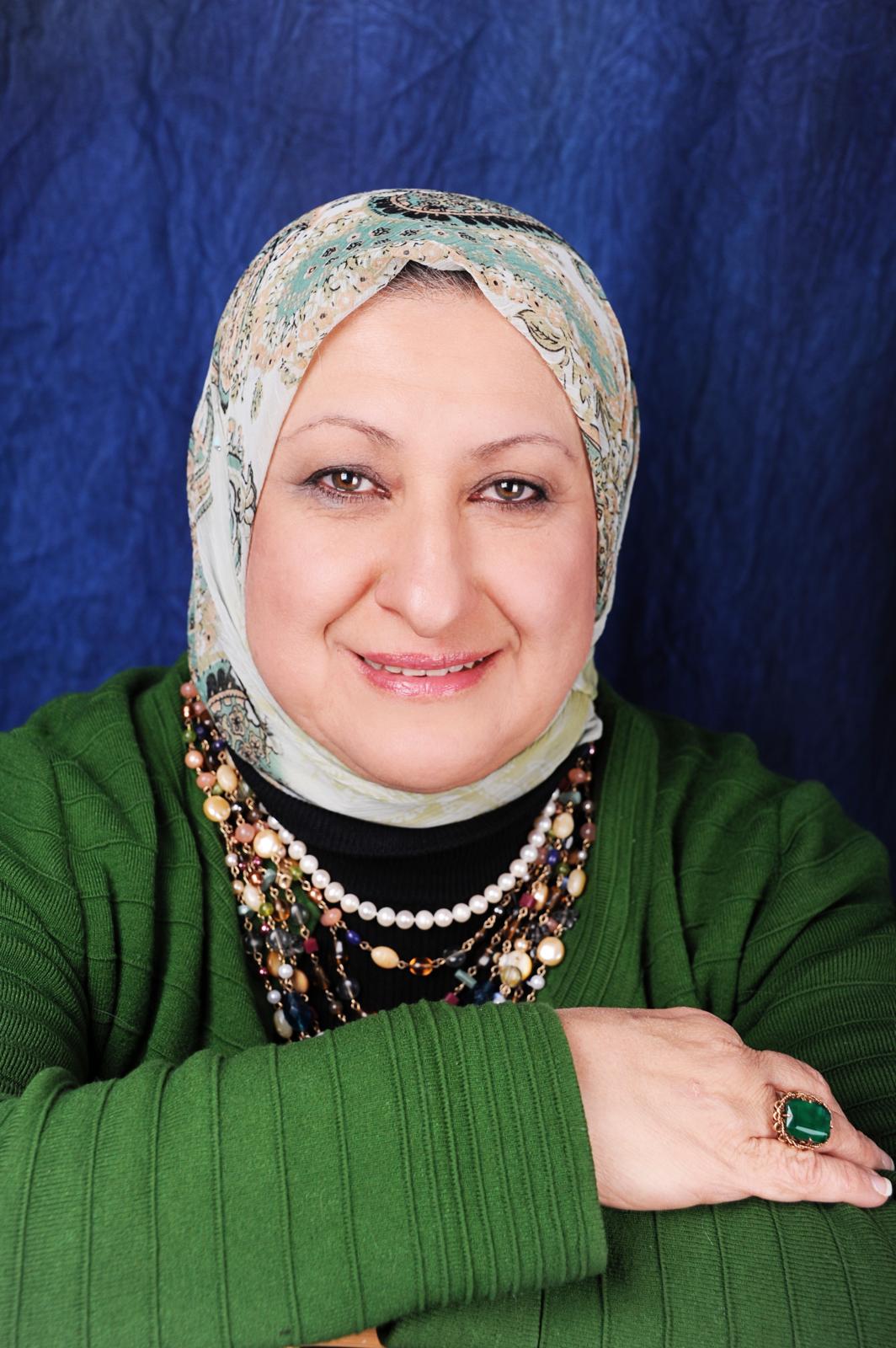
«سوسن الكيلاني: كل نافذة حكاية، وكل ستارة لوحة تعكس روح المكان ورؤية الإنسان الثقافية.»
«سوسن الكيلاني: قصة نجاحي تجمع بين أصالة اللمسة العراقية وتصاميم الحداثة العالمية»
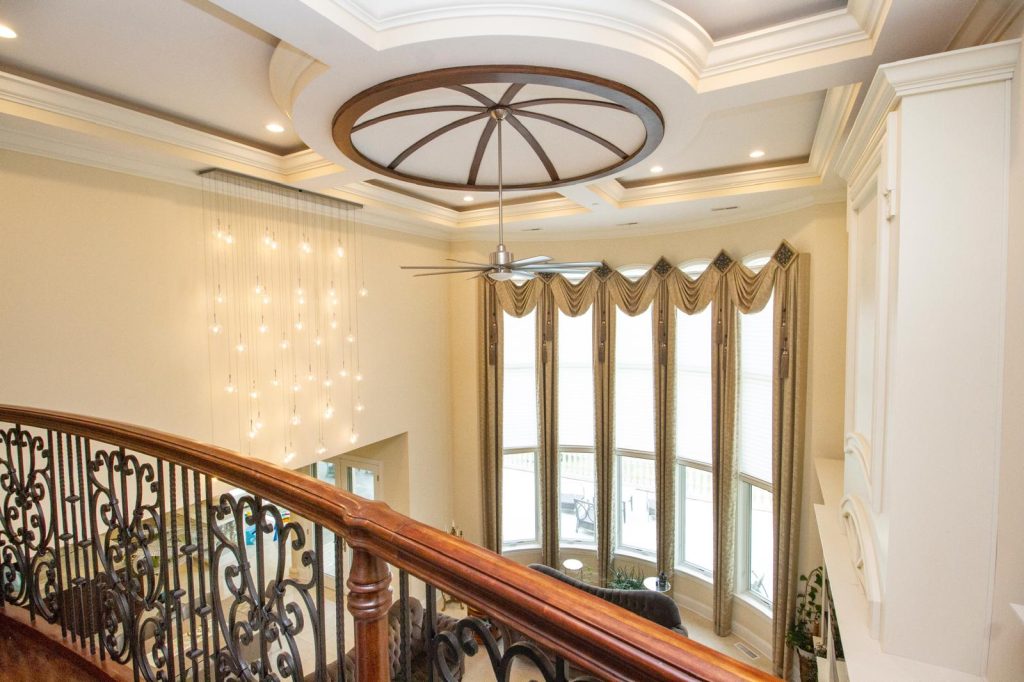
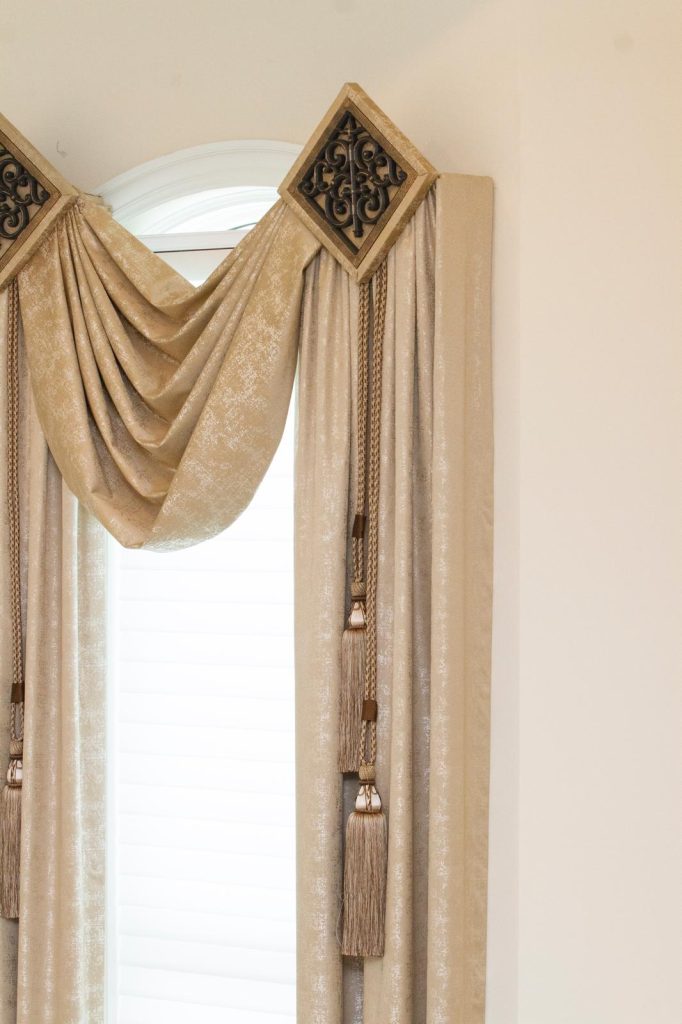
بدأت المصممة العراقية سوسن الكيلاني رحلتها الإبداعية في عالم الستائر، لتجمع في تصاميمها بين الحداثة والأناقة مجسدةً الروح العصرية من خلال ابتكارات فنية استثنائية تنسجم مع الأثاث وديكور المكان. لم تكن الستارة بالنسبة لها مجرد قطعة قماش تنسدل على النافذة، بل عملاً فنياً نابضاً بالحياة، يحمل بصمة شخصية لصاحب المكان، ويمثل امتداداً لهويته الثقافية.
وبخبرة واسعة وذوق رفيع على المستوى العالمي، استطاعت أن تجعل من Gailani Designs Inc اسماً لامعاً في عالم تصميم الستائر. وقد تجسدت خبرتها الفنية والثقافية لعقود من الزمن في هجرتها إلى الولايات المتحدة الأمريكية وإقامتها في مدينة شيكاغو، ما منحها معرفة واسعة بثقافة بلدين مختلفين.
وتسعى حالياً إلى توسيع مشروعها نحو دول أخرى لتقديم مجموعتها الفاخرة في صناعة الستائر، متقنة اختيار الأقمشة الفاخرة بذائقة جمالية فريدة، مع ابتكار تصاميم توظف أحدث التقنيات التكنولوجية لتقديم تجربة جمالية وإنسانية عصرية وراقية.
• بدايةً، هل يمكنكِ أن تحدثينا عن رحلتكِ المهنية والشخصية وكيف أثّرت على انطلاقتكِ في عالم تصميم الستائر؟
– اسمي سوسن الكيلاني، ولدت وعشت في بغداد الحبيبة، وأكملت دراستي الثانوية فيها. وشاء القدر أن أتزوج وأرافق زوجي الذي كان طالباً في جامعة كاليفورنيا لاستكمال دراساته. استغليت الوقت وقدمت على الدراسة وحصلت على البكالوريوس من California College of the Arts، وكان تخصصي التصميم الداخلي – Interior Architecture.
قمت بدراسة عليا لمدة سنتين طمعاً في الحصول على الماجستير، ولكن شاءت الأقدار أن أرزق بابني الأول، مما غيّر اتجاهي من الدراسة لأكون أماً متفرغة. وعندما كبر أولادي قليلاً، قررت العمل في شركة كان معظم ما تنتجه الستائر ومن هنا نشأ حبي لهذا المجال. وبعد فترة وجيزة، قررت أن أبدأ عملي الخاص، وهنا كونت شركتي Gailani Designs Inc.
• كيف يؤثر ذوق وشخصية الزبون على تصميم الستائر واختيار أقمشتها؟
– بعد لقائي الأول مع الزبون وعادة ما يكون اللقاء طويلاً بعض الشيء، أستمع جيداً لكل احتياجاته ورغباته، وألقي نظرة دقيقة على الغرف والأثاث الموجود وشكل الشباك، وإذا كان هناك أي تفصيل معماري أو أي عنصر مميز يمكن الاستفادة منه في التصميم النهائي. بعد ذلك أضع أفكاري على الورق وغالباً ما تُنقح أو يُضاف لها بعض التفاصيل، كما أقوم باختيار الأقمشة المناسبة، ثم نعرض الاختيارات على الزبون.
كل بيت له شخصيته الخاصة ويجب تنسيق الفرش مع الستائر والاكسسوارات بما يتماشى مع هذه الشخصية وما يعكس فردية ساكنيه. بالنسبة لي، كل شباك هو لوحة خام تنتظر الرسام للإبداع، أو قطعة صلصال بين يدي نحات، ولابد من إضافة لمسات خاصة لكل ستارة تعكس شخصية صاحب المنزل وساكنيه.
• كيف تحددين نوعية القماش المناسب لكل تصميم ستائر، وما الفرق في استخدام الأقمشة الرقيقة مقابل الثقيلة؟
– في معظم الأحيان، أضع التصميم أولاً، ثم يكون اختيار القماش متوافقاً مع التصميم من حيث النوعية واللون والشكل والنقش. على سبيل المثال، تصلح الأقمشة الرقيقة للطّي أو تشكيل الكسرات والطيّات، بينما تناسب الأقمشة الثقيلة أعمال التنجيد وما شابه ذلك.
• هل قمتِ بتصميم ستائر تجمع بين الأناقة والكفاءة البيئية، مثل العزل الحراري أو الصوتي، وكيف يتم تحقيق ذلك في أعمالك؟
– يجب التفكير بالبيئة من منظور عدم هدر الطاقة، فهدفنا دائماً هو تقليل تسرب الحرارة أو البرودة إلى الخارج، ويستلزم ذلك استخدام أقمشة وبطائن عازلة وإضافة طبقات من العزل كما نحرص على منع تسرب الضوء في غرف النوم، لضمان الظلمة التامة للزبون الذي يفضل النوم متأخراً، خاصة أثناء عطلة نهاية الأسبوع. أما بالنسبة للعزل الصوتي فنحرص على استخدام ثلاث طبقات من الستائرالمبطنة ببطانة سميكة بالإضافة إلى تشغيل جهاز White Noise لتقليل الضوضاء الخارجية.
• بناءً على خبرتكِ في السوق الأمريكي، خصوصاً في ولاية شيكاغو، ما نوعية العملاء الذين يفضلون اقتناء تصاميمك للستائر، وكيف تختلف أذواقهم وطلباتهم عن غيرهم؟
يميل الفرد الأمريكي بشكل عام إلى البساطة في الذوق والاختيار. ما يجعل التصميم مميزاً، على سبيل المثال، طباعة حروف اسم العائلة أو توقيع الزبون على قماش الستارة، خصوصاً في مكان عمله، أو اختيار العمود من الأحجار أو ما شابه ليصبح نقطة محورية تجذب الانتباه. أحياناً نضيف ما نسميه The element of surprise، مثل تشغيل الستارة بالكهرباء مع سماع موسيقى كلاسيكية خفيفة لبضع دقائق، أو تسليط ضوء من أسفل أو قاع الستارة بلون محدد يضيف رونقاً للألوان المختارة، وقد يكون هذا اللون هو لون الأكسنت.
معظم زبائني من رجال الأعمال الذين يهتمون جداً بتفاصيل مساكنهم أو أماكن عملهم، لأن البيئة التي يعيشون فيها تعكس نجاحهم وهويتهم الشخصية.
• كيف تسهم تصاميمك للستائر في التعبير عن الهوية الثقافية وإعادة تقديم التراث العراقي بروح معاصرة، وما الأسلوب الذي تتبعينه لإضفاء لمسة شخصية وفريدة على كل منزل؟
• برأيكِ، كيف يمكن لتصاميم الستائر أن تسهم في تجديد أو إعادة تقديم الهوية الثقافية لشعب ما، وهل تضفين في أعمالك لمسة تعبيرية عن التراث العراقي بروح عصرية؟
– فرحت كثيراً بطرحك هذا السؤال، وأسمع كثيراً من زبائني يشهدون بأن أعمالي مميزة حتى لو كانت بسيطة، وأنها تتفوق على ما تقدمه دور الستائر والشركات المنافسة. أنا لا أؤمن بالقوالب الجاهزة أو إعادة الموديلات؛ فكل بيت له روحه الخاصة، ويجب أن يتماشى التصميم مع هذه الروح. أحياناً بعد تسليم المشروع، ألقي نظرة قبل مغادرة المكان، وهنا تأتي المفاجأة؛ إذ ألاحظ بعض التفاصيل وأدرك حينها أن جزءاً من خلفيتي الثقافية من بلاد الرافدين متجسد في التصميم بطريقة غير ظاهرة، ولكني فقط ألمسه، كوني عراقية ومن أصول عربية أحرص على استخدام عناصر مثل المرايا، والكريستال والقطع المنجدة، والسلاسل المعدنية، وطريقة رسم الأقواس، وما شابهها، لإضفاء هوية مميزة وروحاً فريدة على كل غرفة.
• هل مررتِ بتجربة تصميم تجاوزت البُعد الجمالي والوظيفي لتصبح رسالة إنسانية أو ثقافية مؤثرة، وكيف ساهمت تصاميمك في تحقيق ذلك؟
– قبل سنوات، تواصلت معي إحدى مراكز علاج السرطان وسألتني إن كانت لدي الرغبة في مساعدة مريضة شابة مصابة بسرطان الثدي من النوع الخبيث. فتبرعت بتأثيث وعمل ستائر لغرفتين في بيتها، غرفة الضيوف وغرفة الطعام. حينها ذكرت الموضوع أمام إحدى صديقاتي الأمريكيات، فبادرت هي الأخرى بالمساهمة في تحمل التكلفة، وعرضت الفكرة على طاقم العمل، وكان الجميع مستعداً للمشاركة في هذا المشروع الإنساني.
حصلنا على تخفيضات في أسعار الأقمشة والمواد، وكذلك في أجور عمال التنفيذ مثل عامل الطلاء وعمال التنجيد والخياطة، بينما تحملت أنا الجزء الأكبر من تمويل المشروع.
وبجهود مشتركة مع الصديقة وطاقم العمل، أتممنا ديكور الغرفتين بطريقة رائعة وجميلة للغاية. وعندما دخلت المريضة إلى المنزل، أجهشت بالبكاء وعانقتني بشدة شاكرة، كما عانقت باقي المتبرعين، وقالت كلمات ما زالت ترن في أذني: “سيدتي، لقد خلقتِ لي ملاذاً جميلاً أستمتع به لما تبقى من عمري.”
شكراً لك ولطاقم عملك، لا أملك سوى الشكر، وأنا متأكدة أن الخير سيعود لكم. لقد كان هذا اللقاء مؤثراً وأدمع الجميع.
• ما رأيكِ في دمج التكنولوجيا الحديثة والأنظمة الذكية في تصميم الستائر، وهل لديك تجربة سابقة في توظيف هذه التقنية ضمن أعمالك؟
– اليوم، لا يخلو أي منزل من التكنولوجيا الحديثة (البيت الذكي) التي تشمل جميع مجالات الحياة، ويأتي عالم الستائر في مقدمة هذه التطبيقات. فاستخدام الكهرباء أو البطاريات لتشغيل الستائر أصبح شائعاً جداً، خصوصاً في المنازل التي يقطنها كبار السن أو ذوو الاحتياجات الخاصة. كما يمكن برمجة الستائر للإغلاق أو الفتح في أوقات محددة لحماية المنزل من أضرار الشمس على المفروشات، أو لأغراض الأمن عند السفر، بحيث يتحرك الستائر ليبدو أن المنزل مأهول ويُقلّل من احتمالات السرقة. أحياناً تُبرمج الستائر لتفتح قبل وصول صاحب المنزل، كي يجد بيته مضاءً وغير مظلم عند العودة.
• ما هي طموحاتك المستقبلية كمصممة ستائر، وهل تخططين لتوسيع علامتك التجارية لتشمل الأسواق العربية والعالمية، أم التوجّه نحو مجالات جديدة في عالم الديكور؟
– حالياً، يتركز معظم عملي في مدينة شيكاغو، وأقوم أيضاً بزيارات منتظمة إلى ولايتي أنديانا وويسكونسن المجاورتين لولاية إلينوي التي أعيش فيها. بلا شك، أطمح إلى المشاركة في الأسواق والمعارض العالمية، لا سيما أسواق الإمارات، لتوسيع نطاق مشروعي وعرض مجموعتي الفاخرة من الستائر على المستوى الدولي.
السيرة الذاتية
الاسم العائلي: يرجع إلى الشيخ عبد القادر الكيلاني، المدفون في بغداد بمنطقة باب الشيخ.
– الولادة والنشأة:
ولدت ونشأت في بيت جدي السيد عبد الرحمن النقيب، الذي كان نقيب أشراف بغداد خلال الحكم العثماني، وانتُخب لاحقًا ليكون أول رئيس وزراء للعراق بعد سقوط الدولة العثمانية، حيث ترأس الحكومة لثلاثة أشهر قبل أن يقدم استقالته.
• المسار التعليمي والمهني:
منذ الصغر كنت مولعة بفكرة الديكور والتصميم الداخلي.
عند سفري إلى بلد المهجر، اخترت دراسة الهندسة الداخلية (التصميم الداخلي) دون أي تردد، امتدادًا لميولي الفنية المبكرة.
Interview with Iraqi Curtain Designer and Artist Sawsan Al-Gailani
Interviewed by: Donia Sahib – Iraq
“Sawsan Al-Gailani: Every window tells a story, and every curtain is a painting that reflects the spirit of the place and the cultural vision of its owner.”
—
“Sawsan Al-Gailani: My success story blends the authenticity of Iraqi craftsmanship with the sophistication of global modern designs.”
—
Iraqi designer Sawsan Al-Gailani began her creative journey in the world of curtain design, merging modernity with elegance, embodying a contemporary spirit through exceptional artistic innovations that harmonize with furniture and interior décor. For her, a curtain is not merely a piece of fabric that drapes across a window, but rather a vibrant work of art carrying the personal imprint of the homeowner and reflecting their cultural identity.
With extensive expertise and refined taste at an international level, she succeeded in making Gailani Designs Inc. a distinguished name in curtain design. Her artistic and cultural experience, spanning decades, took root during her migration to the United States and her settlement in Chicago—an experience that enriched her with deep knowledge of two distinct cultures.
Currently, she aims to expand her business into other countries, offering her luxurious collections in curtain design, with carefully selected fine fabrics and innovative designs that integrate the latest technologies, creating a modern and refined human and aesthetic experience.
—
• To begin with, could you tell us about your personal and professional journey and how it influenced your entry into the world of curtain design?
My name is Sawsan Al-Gailani. I was born and raised in beloved Baghdad, where I completed my secondary studies. Destiny led me to marry and accompany my husband, who was a student at the University of California pursuing graduate studies. I seized the opportunity and applied for studies, earning my Bachelor’s degree from the California College of the Arts, specializing in Interior Architecture.
I pursued postgraduate studies for two years with the ambition of obtaining a Master’s degree, but fate blessed me with my first son, which shifted my focus from academics to full-time motherhood. When my children grew older, I decided to work at a company whose main production was curtains—that’s when I fell in love with this field. Soon after, I decided to start my own business, and thus I founded Gailani Designs Inc.
—
• How do a client’s taste and personality influence curtain design and fabric selection?
During the first meeting—which is usually somewhat lengthy—I carefully listen to all of the client’s needs and desires, take a detailed look at the rooms, existing furniture, and window shapes, and consider whether there are any architectural details or unique elements that can be incorporated into the final design. Afterward, I sketch my ideas, which are often refined or further detailed. Then I select the appropriate fabrics and present the options to the client.
Every home has its own personality. Furniture, curtains, and accessories must be coordinated in a way that reflects that personality and expresses the individuality of its residents. To me, every window is a blank canvas waiting for a painter’s creativity, or a piece of clay awaiting the sculptor’s hands. Each curtain must carry special touches that embody the essence of the homeowner.
—
• How do you determine the right type of fabric for each curtain design? What is the difference between using light versus heavy fabrics?
Most of the time, I begin with the design, and then choose fabrics that match it in terms of quality, color, texture, and pattern. For example, light fabrics are suitable for pleating and folds, whereas heavy fabrics are better for upholstery and structured drapery.
—
• Have you designed curtains that balance elegance with environmental efficiency, such as thermal or acoustic insulation? How do you achieve this?
Yes. Environmental considerations are crucial in terms of energy conservation. Our goal is always to reduce the loss of heat or cool air. This requires using insulated fabrics and linings, adding extra layers for insulation, and ensuring blackout options in bedrooms for clients who prefer complete darkness—especially late sleepers on weekends.
For sound insulation, we often use triple-layered curtains with heavy lining in addition to employing a White Noise device to minimize external noise.
—
• Based on your experience in the U.S. market, particularly in Chicago, what type of clients are most drawn to your curtain designs? How do their preferences differ from others?
Generally, Americans lean toward simplicity in taste and choice. What makes a design distinctive, for example, could be printing the family name or client’s signature onto the curtain fabric—especially in offices—or using a column made of stone or a similar material as a focal point.
Sometimes we add what I call “the element of surprise”—like motorized curtains that open to the sound of soft classical music for a few minutes, or spotlights illuminating the curtain base in accent colors that enhance the overall palette.
Most of my clients are business professionals who pay great attention to the details of their homes or workplaces, as the environment they live in reflects their success and personal identity.
—
• How do your curtain designs contribute to expressing cultural identity and reintroducing Iraqi heritage in a contemporary way?
I was delighted by this question. Many clients have told me that my work is distinctive—even when simple—and that it surpasses what other curtain houses and competitors offer. I do not believe in ready-made templates or recycling models. Every home has its own soul, and the design must align with that spirit.
Sometimes, after completing a project, I take a last look before leaving, and suddenly notice certain details. At that moment, I realize that part of my cultural background from Mesopotamia has manifested itself subtly in the design. Being Iraqi and Arab, I naturally incorporate elements like mirrors, crystals, upholstered accents, metallic chains, and arch motifs to infuse identity and uniqueness into every space.
—
• Have you had a design experience that transcended aesthetics and functionality to become a human or cultural message?
Yes. Several years ago, a cancer treatment center contacted me, asking if I was willing to help a young woman battling malignant breast cancer. I volunteered to furnish and design curtains for two of her rooms—the guest room and the dining room.
When I mentioned the project to an American friend, she offered to share the costs. I presented the idea to my staff, and they all eagerly joined this humanitarian effort. We received discounts on fabrics, materials, and labor, while I personally covered the majority of the expenses.
Together with my friend and team, we completed the décor beautifully. When the patient entered her home, she burst into tears, hugged me tightly, and thanked me and the contributors, saying words that still echo in my heart: “Madam, you have created a beautiful sanctuary for me to enjoy for the rest of my life.”
It was a profoundly touching moment that moved everyone to tears.
—
• What is your view on integrating modern technology and smart systems into curtain design? Do you have any experience with this?
Nowadays, no home is without smart technology. Curtains are at the forefront of these applications. Using electricity or batteries to motorize curtains is very common, especially for households with elderly residents or people with special needs.
Curtains can be programmed to open or close at specific times to protect furniture from sun damage, or for security reasons while traveling, making the home appear occupied and reducing theft risks. Sometimes they’re programmed to open before the homeowner arrives, so the house feels welcoming and lit upon entry.
—
• What are your future aspirations as a curtain designer? Do you plan to expand your brand into Arab and global markets, or move into other areas of interior design?
Currently, most of my work is based in Chicago, with regular visits to neighboring states such as Indiana and Wisconsin. Without a doubt, I aspire to participate in global markets and exhibitions, particularly in the UAE, to expand my business and showcase my luxurious curtain collections internationally.
—
Biography
Family Heritage: Her lineage traces back to Sheikh Abdul Qadir Al-Gailani, buried in Baghdad’s Bab Al-Sheikh district.
Birth and Upbringing:
She was born and raised in the household of her grandfather, Mr. Abdul Rahman Al-Naqib, who was Baghdad’s Naqib Al-Ashraf during Ottoman rule, and later elected as Iraq’s first Prime Minister after the fall of the Ottoman Empire. He headed the government for three months before resigning.
Educational and Professional Path:
Since childhood, she was passionate about décor and interior design.
Upon emigrating, she chose to study Interior Architecture without hesitation, building upon her early artistic inclinations.
#سفيربرس _ حاورتها: دنيا صاحب – العراق