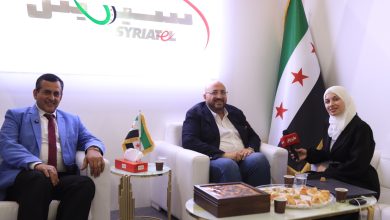
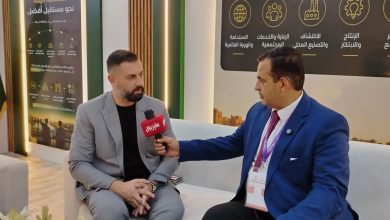
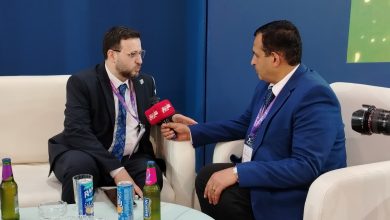
وليد رشيد القيسي: رؤيته الفلسفية في الخزف، تُجسّد خطاب الفن المعاصر”
#سفيربرس _حوار : دنيا صاحب - العراق

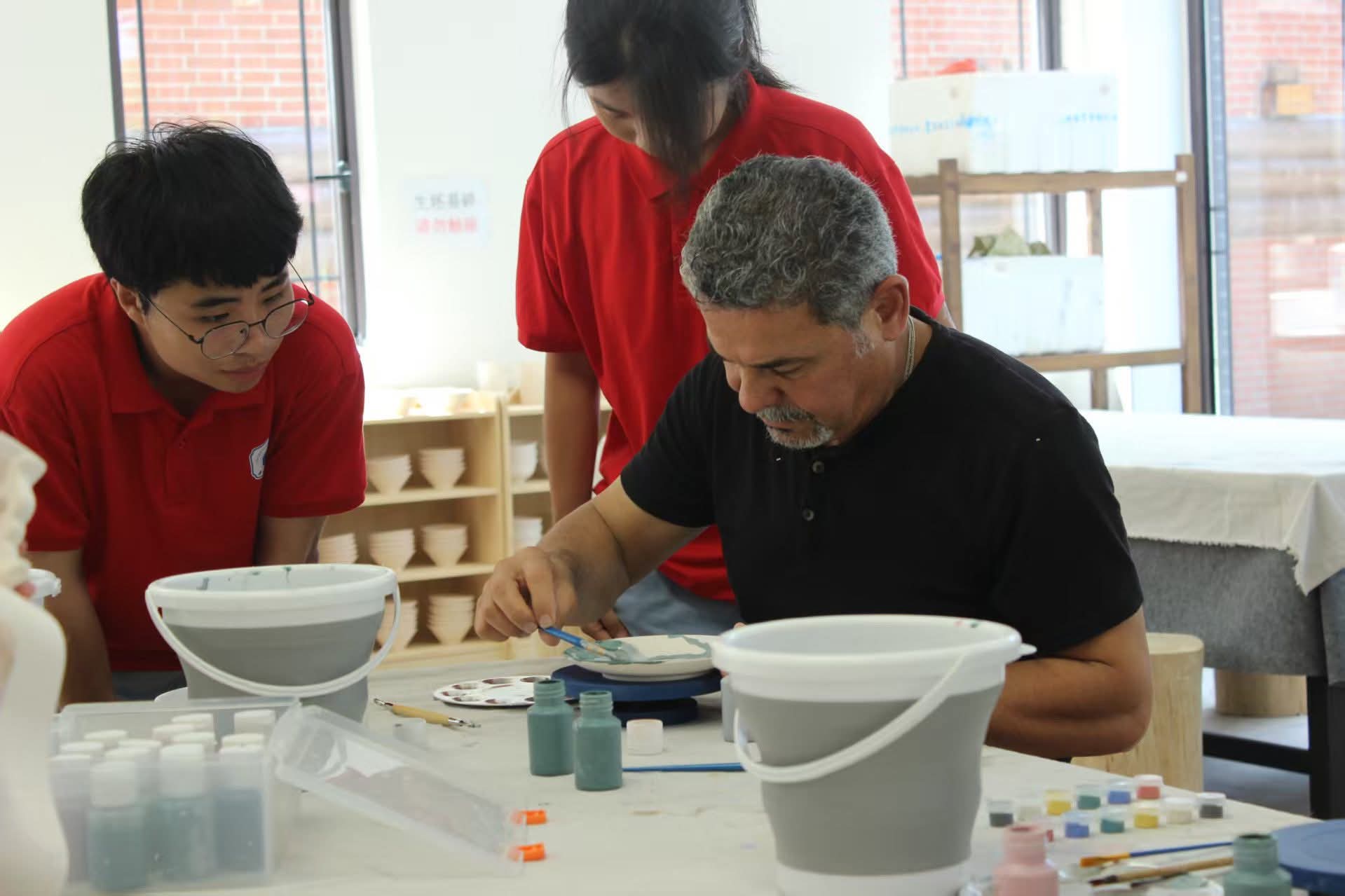
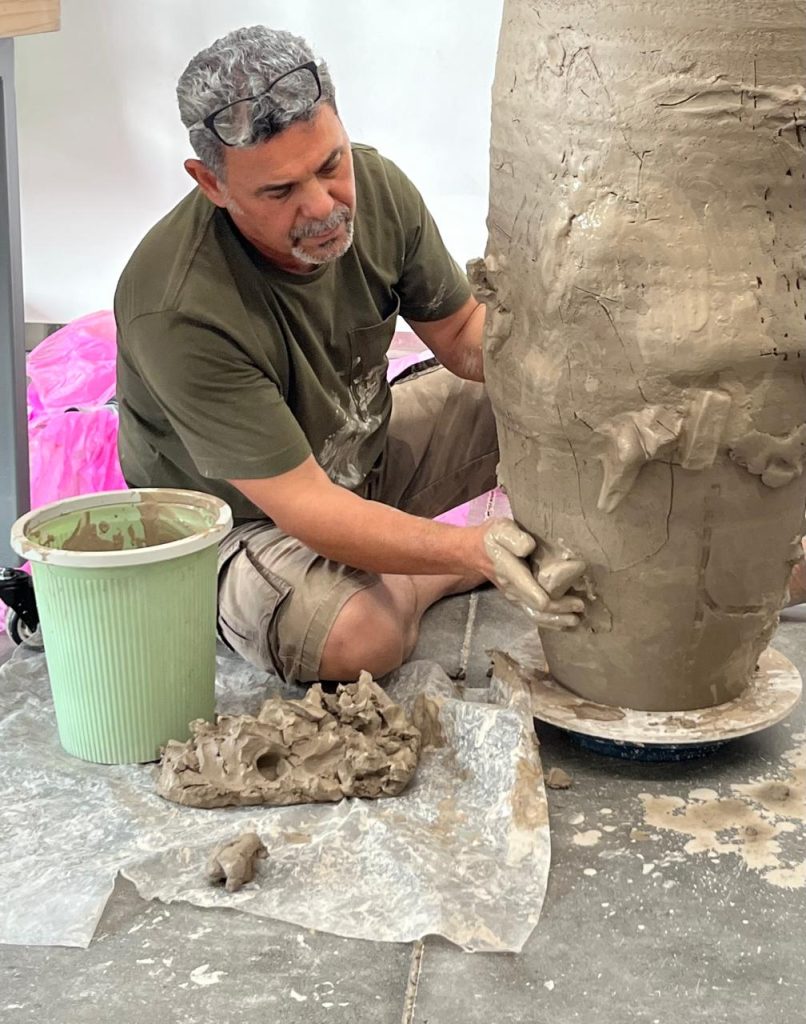
يُعيد وليد رشيد القيسي، الفنان الخزّاف التشكيلي العراقي المولود في بغداد عام 1963، تعريف فن الخزف من خلال مقاربة تجريبية تجمع بين التراث التاريخي والحداثة العصرية
تخرّج في قسم الخزف من معهد الفنون الجميلة ببغداد عام 1985، وسرعان ما شكّل حضورًا فنيًا مؤثرًا على المستويين العربي والدولي.
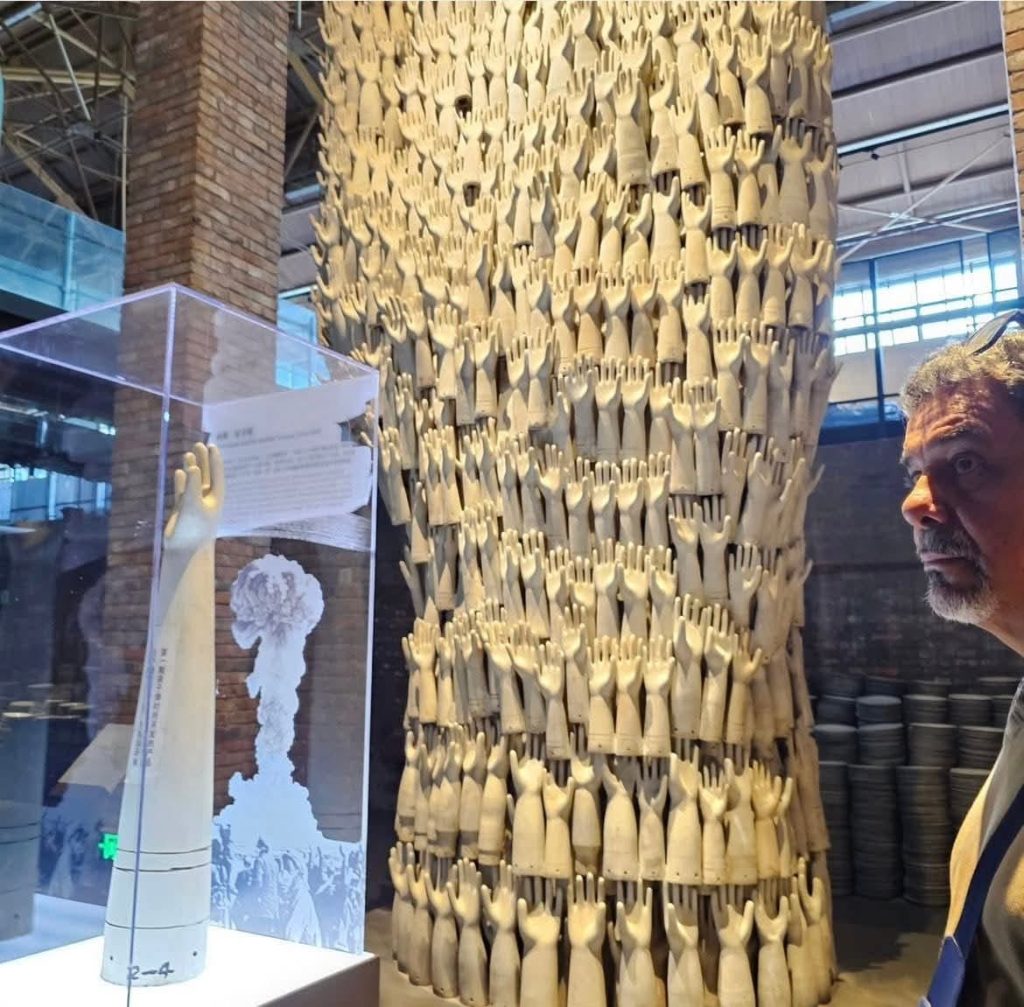
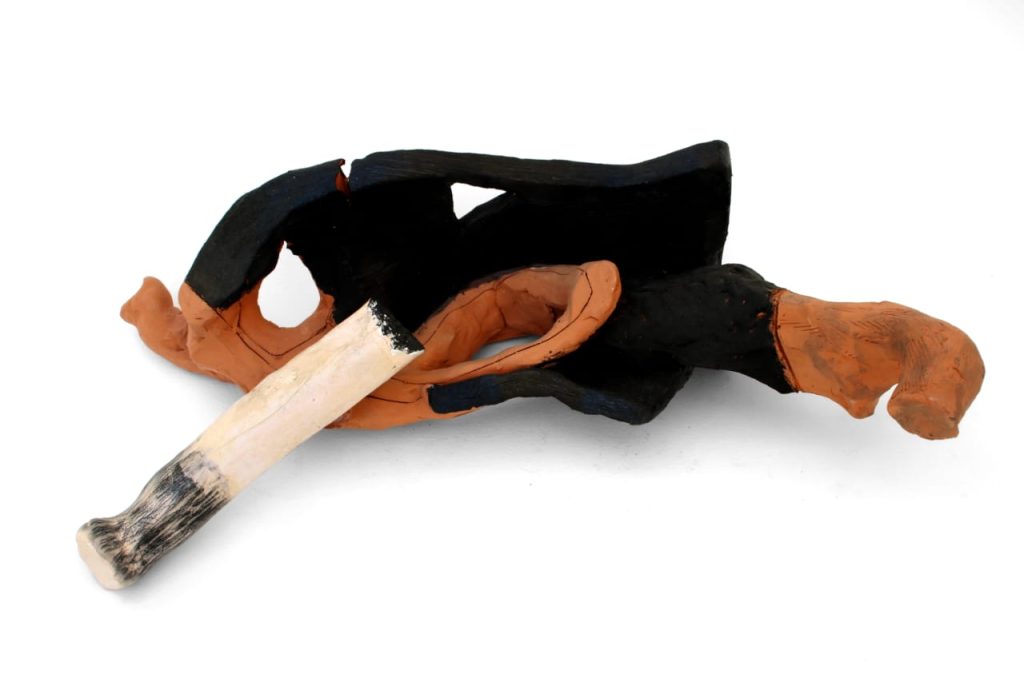
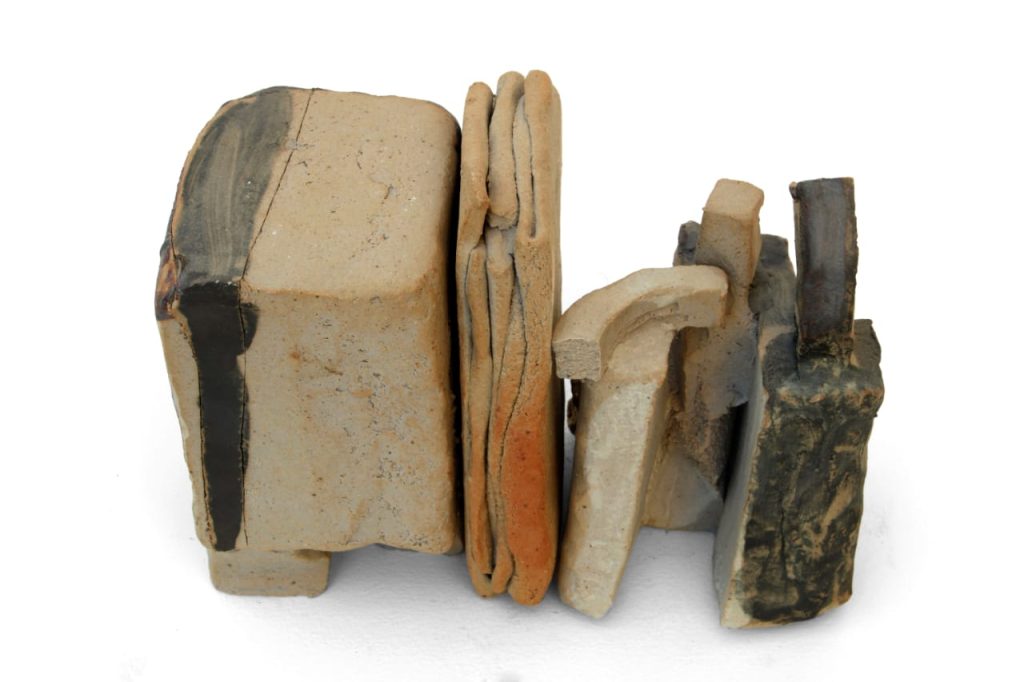
يعتمد القيسي في تجربته على تقنيات ابتكارية مثل “الأوستراكيزم” (كسر المادة وإعادة بنائها من خلال حُطام المادة ) لخلق موقفا من المادة . و”الريونز” التي تستدعي إرث الحضارات الطينية وتُعيد توظيفه بصريًا في أعمال تنبض بالذاكرة والتاريخ.
يصنعُ من الطين حواراً بصرياً يتأرجح بين الفراغ والفراغ السالب، وبين الخشونة والنعومة، ويمنح المتلقي فسحةً للتأويل من خلال اشتغاله على الغموض والاستفزاز الذهني المتعمّد.
خلال مسيرته، أقام القيسي معارض فردية وجماعية كل من بغداد، لندن،الدانمارك، الدوحة، بيروت، وعمّان وغيرها من الورشة الفنية ، وشارك في بيناليات دولية كل من الصين، المغرب، القاهرة، بلجيكا، اسبانيا. وحصل على عدة جوائز، من أبرزها الجائزة الأولى في المسابقة الدولية للسيراميك في الدنمارك عام 2007.
تنحو أعماله نحو خلق نسيج بصري متداخل، يعبر عن أطلالًات متصدعة تتجلّى فيها الفكرة الوجودية للفن بوصفها لغةً حيّة، تتجاوز الجمود لتلامس جوهر الإنسان وتحاكي قلقه وأسئلته حول المعنى البيولوجي والفيزيائي للمادة.
في هذا الحوار، نستكشف عمق رؤيته، وتجربته في تحطيم القوالب التقليدية، وكيفية تحويل السيراميك إلى حوار بصري يلامس أعماق الإنسان ويُعيد تشكيل معنى الوجود.
• ماهي الاشياء التي تخلق منها نسيجًا بصريًا متماسكًا؟
أعظم قوة في السيراميك، برأيي، تكمن في ذاكرته المادية. إنه يحمل التاريخ، يصلحه، ويدونه بطريقة لا تستطيع الأشكال الفنية الأخرى. بسبب وظيفته اليومية، وعلى سبيل المثال، قصص غير مقصودة تمامًا تظهر في المتاحف حيث يهمن تاريخ السيراميك فيها عبر عصور . فمثلا: الاواني السومرية والدمى في حضارة وادي الرافدين واواني “التينموكو” اليابانية، والبورسين الصيني. كلها تنتقل إرثها من الماضي السحيق إلى الحاضر. هناك أيضًا مواضيع أخرى تكشف عن الحياة الأكثر واقعية للسيراميك، كمادة بناء، كطوب، أو كمادة خام مستخرجة من الأرض.
في صميم عملي الخاص، سواء كان ذلك في السيراميك او الرسم او الكتابة، تمكنني رغبة لا تقاوم في خلق شيء “عملي” شيء يقف على الحافة، ليس مجرد ديكور، ولا مجرد وظيفة بحتة، بل يتأرجح بينهما. أعتقد أن هذه هي القوة الحقيقية للسيراميك؛ غموضه هو الأداة المفهومية والمادية التي تسمح لي بتعليق عدد لا يحصى من الأفكار داخله.
* كيف يُعبّر التجريب في أعمالك عن جوهر الوجود وما دور المادة والمكان في صياغة هذا التصوّر الفلسفي؟
تتجلى الإشكالية كينبوع أزلي لا ينضب، فليست سوى إجابات متوالية لأسئلة تتوالد وتتجدد بلا انقطاع. وفي هذا السياق يغدو الفن لغة الإشكالية ذاتها يستمد منها جوهر خلوده ويصبح سراجًا يضيء دروب البحث اللامتناهي. أما المكان فليس كيانًا ثابتًا، بل نسيجًا متداخلًا تتشابك فيه الأفعال وينصاع لمتطلبات الخلق الأزلي. إنه فضاء حيّ يتشكّل ويتغير بفعل إرادة التجلي. إنّ إدراكي الحقيقي لا يتجاوز كوني منتمياً إلى اللحظة الراهنة التي تحتضن فكري. وحين أعود للتفكير مجدداً، فذلك ليس سوى إقرار بضرورة إضافة جديدة لما سبق، لأنّ القول السابق قد شاخَ ومات، وأصبح ذكرى باهتة يطويها النسيان. لذا، عندما أتعامل مع المادة، لا أكتفي برسم تخطيطات أو تشكيل أعمال فنية جامدة. بل إنّ كل ما أقوله أو أفعله يتلاشى ليولد من جديد في هيئة مغايرة. لا استقرار لشكل واحد، ولا ثبات لمراحل العمل. فالعمل الفني هو رياضة فكرية تتطلب مني إعادة بنائه بكل مراحله وتوقعاته، ليتكرر هذا البناء يوميًا، في تجلٍّ مستمرٍّ ومتجدد. لكي لا يستسلم الفن لهذا النسيان ، لا بد لنا أن أنغمس في التجريب. إنه نداء يوقظ اللهب، ويطلق العنان لفيضان مارق يجتاح أرجاء الكون. إنه التحرر المطلق من قيود القوانين المتضخمة، يبتلع كل ما هو راكد وثابت، ويفتح آفاقًا لم تُكتشف بعد.
إن التجريب يسعى ليرى فضاءات لم تُكشف أسرارها بعد خلاياه تدمر كل ما هو أرضي معرفي، ومبرمج داخل الجسد. إنها مغامرة مدهشة في حركة تواصل خلاقة، تُثير الدهشة، وتُولد العجائب والفانتازيا في عالم سحري. فيه ينصهر الكل في بوتقة الخلق، لِيُولَد لحظة عليا. لحظة يتجلى فيها التجريب في أبهى صوره. (إن التجريب سحر كوني يحاكي كل ما يحيط بنا، وفي لحظته تتجلى عوالم مدهشة، عجائبية وسحرية) عيون تحررت من قيود الركود والثبات، تتأمل فضاءات مجهولة، لا تنتمي لخرائط أو مساحات، بل تناسلت فيها مخيلة حرة تحت وطأة الجسد. لغتها تتجلى في شكل غامض، بين ما هو محذوف وما هو ظاهر، تتوالد فيها الأشكال وتُثير دهشةً في فكر المتخيل. إننا نمارس معرفة الوجود بالمادة وبالصورة والكلمات، كي نتحرر من أوهام تتلبسنا في ساعات الشك.
* ما المقصود بـ رحلة في غياب الأثر وحضور الرؤيا؟
يتلاشى الواقع المحسوس ليحل محله حضور الرؤيا الكامنة، فاتحًا الباب لكشف أنماط وجودية لم تُكتشف بعد؛ سواء في فضاءات بعيدة عن مداركنا أو في أعماق النفس البشرية الغافلة عن ذاتها. يصبح العمل الفني هنا ليس مجرد كلمات، بل يتماهى مع الخيال المحلق متحولًا من سكونية جامدة إلى تدفق جمالي يلامس خفايا الوعي الباطني. هكذا، يتأسس العمل الفني على نص يتجاوز بهرجة السطح الظاهرة، مركزًا على إدراك ما يختبئ خلفه، ما يصدع جوهره الخفي، ليقدم قيمة تتعدى مجرد إرضاء الآخرين.
* كيف توظف الغياب والفراغ لتحفيز المتلقي على كشف المعنى؟
تتولد الرغبة العميقة في قلب المسار المعتاد، من خلال شطب التجانس المألوف وتجاوز أعباء التفاعل التقليدي الذي يحد من التجدد الأصيل. أسعى جاهدًا إلى اتحاد الأضداد والمتنافرات في عملية أشبه بالخيمياء، لإعادة تشكيل الداخل في الخارج عبر صور مبتكرة: مقاطع من أجساد متناثرة، بقايا فراغ وكتلة متناثرة بأشكالها. تصبح نصوص غائبة تتوارى عن العين وغموض ساحر يستدعي المتلقي ليغوص في لحظة المجهول. إن التغييب المتعمد للعلامات الواضحة يصبح هنا أداة فنية، تفتح فضاءً رحبًا للتأمل، وتتيح للمتلقي فرصة فريدة لإيجاد معناه الخاص وكأنه يسبح في فضاء غارق في عملية كشف مستمرة عن وعي مع بصيرة عميقة. هذا الغياب للسطح ليس عدماً، بل هو ذاته حضور لأمكنة مجهولة، تتجلى وكأنها تتحرك في عالم غير عالمنا المألوف، وهي جوهر لحظة الوجود الحقيقية؛ فلا وجود للقول الحقيقي إلا من خلال الرؤيا التي تنبع من الأعماق.
* كيف يمكن تفسير مفهوم “الجماليات المتنافرة؟
تتجسد هذه الرؤى في أشكال تأملية وتساؤلية تهدف إلى إحداث صدمة في الوعي، حيث تُشكل الأشياء وفقًا لما تقتضيه المخيلة الخصبة. يُنظر إلى العالم هنا برؤية مغايرة تمامًا لما هو سائد، فتتحول التجربة إلى ومضات فكرية وتأملية عبر سلسلة من الأشياء المتهالكة والمتنافرة، لتكشف عن نظام جديد من الجمالية والمعنى العميق الكامن في فوضى مغالطة.
إن محاولة فهم الفن المعاصر هي رحلة شائكة تتطلب منا التوقف والتساؤل بعمق حول طبيعته وغاياته. الفكرة التي قدمتها تطرح مجموعة من الأسئلة الجوهرية التي يمكننا أن نتناولها من منظور فلسفي لنكشف عن الطبقات المتعددة التي تشكل هذا المفهوم.
* هل يعد الفن المعاصر انعكاساً أم تمرداً ؟
تساؤلك حول ما إذا كان الفن المعاصر هو مجرد ما يُنتج حاليًا ويتطابق مع العصر، أو ثورة ضده، يضعنا أمام مفترق طرق:-
“الفن كمرآة للعصر”
إذا كان الفن المعاصر مجرد انعكاس لما هو سائد، فهو يميل إلى التأريخ والتسجيل. فالفنان هنا أشبه بالمؤرخ الذي يلتقط نبض عصره، ويعكس قيمه تقنياته، وتحدياته. من هذا المنظور، يصبح العمل الفني وثيقة زمنية تصف الحاضر حتى لو كان ذلك الوصف بطريقة نقدية أو ساخرة.
“كفعل تمرد وتجاوز”
أما إذا كان الفن المعاصر هو ثورة ضد قيم العصر والتقليدي فهو يتجاوز مجرد التسجيل إلى التحدي. هنا، يعمل الفنان على زعزعة المفاهيم الراسخة وتحطيم المالوف، وإعادة تعريف ما هو مقبول أو جميل. يصبح الفن أداة للتغيير، محركًا للجدل ومثيرًا للدهشة والاستغراب وقد يُنظر إليه على أنه “غريب ومستهجن” لأنه يكسر الألفة.ولعل الفن المعاصر يجمع بين هذين البعدين؛ فهو ينبع من سياقه الزمني ولكنه لا يتردد في انتقاده أو التمرد عليه، بل قد يكون “معاصرًا أكثر من عصره” لأنه يستشرف المستقبل ويقدم رؤى طليعية تتجاوز الحاضر إلى ما هو قادم. هذا يقودنا إلى فكرة أن الفن المعاصر ليس مجرد إفراز للحاضر، بل هو قوة دافعة تشكل المستقبل.
الفن المعاصر غالبًا ما يرفض الجمال بمعناه التقليدي، السهل الاستهلاك، أو “المرتب”. هو لا يسعى بالضرورة لإرضاء العين أو الذوق العام، بل يسعى إلى إثارة الفكر، التحفيز العاطفي، أو حتى استفزاز المتلقي. وقد يستخدم الفن المعاصر “القبح” أو المشاهد غير المريحة كأداة للتعبير عن الواقع، أو لنقد المجتمع، أو لإبراز قضايا مسكوت عنها. الفن هنا ليس غايته تقديم تجربة جمالية ممتعة بالضرورة، بل قد يكون غايته إثارة الانزعاج الضروري لإطلاق التفكير النقدي. هذا لا يعني أنه قبيح دائمًا، بل هو يتجاوز الثنائية التقليدية للجمال والقبح ليحتضن تجارب جمالية أوسع وأكثر تعقيداً.
* كيف يسهم فن الخزف في توسيع دائرة المتلقي، رغم تعقيداته الجمالية ؟
فن السيراميك غالبًا ما يتحدى فكرة أن الفن ينتج للمتلقي الذي لا يملك ثقافة فنية عميقة. بل هو يدعو المتلقي للمشاركة في عملية فهم العمل، والتفاعل معه، وتكوين رأيه الخاص، حتى لو تطلب ذلك جهدًا فكريًا أو حساسية خاصة.
إن فن السيراميك المعاصر هو حقل فلسفي غني بالتناقضات والأسئلة التي لا نهاية لها. إنه ليس كيانًا واحدًا، بل هو طيف واسع من الممارسات والأفكار التي تتحدى تعريفاتنا المسبقة عن الفن والجمال، وتدفعنا إلى التفكير بعمق في واقعنا ومستقبلنا. الأسئلة التي طرحتها ليست مجرد تساؤلات عابرة، بل هي مفاتيح لفهم هذا العالم الفني المتجدد والمعقد باستمرار.
لطالما كان نهجي في الفن، لا أبالغ إن قلت، أشبه باكتشاف عالم خفي. لم تكن المسألة مجرد “هيكل” بالمعنى الجاف بل كانت سحراً تكمن في الأشكال التي تبدو “حقيقية” للوهلة الأولى، لكنها ترفض أن تكشف عن هويتها بسهولة. أفكر بالمكان وما يحيط به من أشياء ، هي كيانات تتجلى فيها الهوية في صميم بنيتها، تتطور وتنمو بشكل عضوي، تمامًا كتطور الخلية في أشكال “التوتية”. هذه ليست مجرد أفكار مجردة بالنسبة لي، بل هي أعمال محددة للغاية، ولدت من دوافع عاطفية عميقة.
• كيف تعكس “صياغة العمل الفني” كونها تحديًا ورحلة في آنٍ واحد؟
العمل الفني، في جوهره، ليس مجرد حدث عابر، بل هو تحدٍ مستمر ورحلة شاقة تُكلّل بجهد مكثف ومواجهة جريئة للعقبات بكل تعقيداتها وغموضها، لا تكشف عن نفسها بسهولة للمتلقي. يتطلب الأمر من الفنان يقظة فكرية عميقة ووعيًا متواصلاً للبحث عن خيوط الفهم، أو بالأحرى، لنسجها وإبداعها بنفسه عندما يتعذر العثور عليها جاهزة. غالبًا ما يظهر العالم للفنان فوضويًا، عشوائيًا، أو حتى بلا جدوى. فكيف يمكن للمرء أن يجد أو يخلق معنى في ضجيج الحياة اليومية، أو في وجه الألم والخسارة؟ هذا يتطلب دعوة شاقة لتجاوز الأشياء والبحث عن أنماط ودلالات وعلامات تتجاوز الظاهر. أنها مسؤولية لاقرار بأن العمل الفني لا يقدم معنى جاهزًا، بل يساهم في خلقه، يضع على عاتق الفنان عبئًا وجوديًا هائلاً. فإذا لم يكن هناك دليل إبداعي مسبق، فكيف يختار طريقه الفني؟ وكيف يحدد ما هو ذو قيمة فنية وما ليس كذلك؟ هي رحلة صياغة العمل الفني ودعوة دائمة للمثابرة، تتطلب من الفنان أن يكون مهندسًا لفهمه الخاصة وأن يتحلى بالمرونة لمواجهة التحديات التي لا تني تظهر في مسيرته الإبداعية. إنها قصة تحدٍ، حيث يولد الفهم من رحم الجهد، وتُنسج الدلالة من خيوط التجربة الفنية.
#سفيربرس _حوار : دنيا صاحب – العراق
Waleed Rasheed Al-Qaisi: His Philosophical Vision in Ceramics Embodies the Discourse of Contemporary Art
Waleed Rasheed Al-Qaisi, the Iraqi ceramic artist born in Baghdad in 1963, redefines ceramic art through an experimental approach that blends historical heritage with modernity.
He graduated from the Ceramics Department at the Institute of Fine Arts in Baghdad in 1985 and soon established a significant artistic presence on both Arab and international levels.
Al-Qaisi’s artistic practice relies on innovative techniques such as ostracism (breaking and reconstructing the material through its own debris) to create a stance towards the material, and reons, which revive the legacy of ancient clay civilizations and reframe it visually in works pulsing with memory and history.
From clay, he shapes a visual dialogue that oscillates between void and negative space, roughness and smoothness—granting the viewer space for interpretation by embracing intentional ambiguity and mental provocation.
Throughout his career, Al-Qaisi has held solo and group exhibitions in Baghdad, London, Denmark, Doha, Beirut, Amman, and other artistic venues. He also participated in international biennales in China, Morocco, Cairo, Belgium, and Spain. Notably, he won the first prize at the International Ceramics Competition in Denmark in 2007.
His works aim to create an interwoven visual texture that expresses fragmented ruins through which the existential idea of art emerges as a living language—one that surpasses inertia to touch the essence of human existence and reflect his inquiries into the biological and physical meaning of matter.
In this interview, we delve into the depth of his vision, his journey in breaking conventional molds, and how he transforms ceramics into a visual dialogue that touches the depths of human experience and reshapes the meaning of existence.
—
• What elements do you use to weave a cohesive visual texture?
The greatest power in ceramics, in my opinion, lies in its material memory. It carries history, restores it, and records it in a way no other art form can. Due to its utilitarian nature, for example, unintended stories emerge in museums dominated by ceramic artifacts across ages—Sumerian vessels and dolls from Mesopotamia, Japanese “Tenmoku” pots, Chinese porcelain—all transmitting their heritage from the ancient past to the present.
There are also more pragmatic aspects of ceramics: as building material, as bricks, or as raw matter extracted from the earth.
At the core of my practice—whether in ceramics, painting, or writing—there is an irresistible desire to create something. My work exists on the edge, neither pure decoration nor sheer function, but a fusion of both. I believe this is the true power of ceramics: its ambiguity is a conceptual and material tool that allows me to suspend countless ideas within it.–
• How does experimentation in your work express the essence of existence, and what roles do material and space play in shaping this philosophical vision?
The problematic nature of existence unfolds as an eternal, inexhaustible spring—nothing but successive answers to ever-evolving questions. In this context, art becomes the very language of the dilemma, drawing from it the essence of its immortality and serving as a lamp illuminating the endless search.
Space, for me, is not a static entity but an interwoven fabric of actions that yield to the demands of eternal creation. It is a living realm shaped and transformed by the will of manifestation. My true awareness is no more than a sense of belonging to the current moment that embraces my thoughts.
When I reflect, it is not to repeat what has already been said, for past expressions grow old and fade into oblivion. Thus, I do not merely sketch or mold static artworks; everything I say or do dissolves and is reborn in a new form.
There is no final shape, no fixed phase in the process—the artwork is a mental exercise requiring reconstruction at every stage and expectation. This rebuilding happens daily, in a continuous and renewed manifestation.
To prevent art from fading into forgetfulness, we must immerse ourselves in experimentation. It awakens the flame, unleashes a sweeping torrent across the cosmos, and liberates us from the inflated laws that restrict us.
Experimentation seeks to uncover unknown realms, its energy breaking down all that is earthly, intellectual, and programmed within the body. It’s a wondrous adventure of creative continuity—astonishing and birthing marvels and fantasy in a magical world.
Everything melts into the crucible of creation, giving birth to an elevated moment where experimentation manifests in its most dazzling form—a cosmic enchantment reflecting everything around us.
Its language emerges in a mysterious form between the visible and the erased. Shapes are born and surprise the imagination. Through matter, image, and words, we practice existence to free ourselves from illusions that cling to us in moments of doubt.–
• What do you mean by “a journey in the absence of trace and the presence of vision”?
Tangible reality fades away, replaced by the presence of latent vision—opening the door to discovering existential modes yet unknown, whether in distant realms beyond our perception or deep within the human soul unaware of itself.
The artwork thus becomes more than mere words—it merges with soaring imagination, transforming from static stillness into a flowing aesthetic that touches the depths of subconscious awareness.
The artwork is thus built upon a text that transcends superficial glitter, focusing instead on perceiving what lies beneath—the cracks in its hidden essence—delivering a value beyond mere satisfaction.–
• How do you use absence and emptiness to provoke the viewer toward discovering meaning?
A profound desire to subvert the conventional path arises through the erasure of familiar uniformity and the rejection of traditional interaction that limits genuine renewal.
I strive to unite opposites and contradictions in a process akin to alchemy—reforming the inner into the outer through innovative forms: fragments of scattered bodies, remnants of voids, and dispersed masses. These become hidden texts, absent from sight, shrouded in mystery—inviting the viewer to dive into the unknown.
Intentional absence of clear markers becomes an artistic device, opening a spacious field for contemplation and allowing the viewer to uncover their personal meaning—as if swimming in an infinite space of unveiling, guided by deep insight.
This absence of surface is not a void—it is the very presence of unknown realms, seemingly moving in a world alien to our own. It is the essence of true existence—there is no genuine expression except through the vision emerging from within.–
• How do you interpret the concept of “discordant aesthetics”?
These visions take form in contemplative and inquisitive shapes meant to shock the consciousness. Things are formed according to the demands of a fertile imagination.
The world is viewed through a lens entirely different from the norm, turning the experience into intellectual and meditative flashes through a series of decaying, conflicting objects—revealing a new aesthetic system and deep meaning hidden within chaotic contradiction.
Understanding contemporary art is a challenging journey that compels us to pause and question deeply its nature and purpose.
The concept offered here raises essential questions to be explored philosophically—to unveil the multiple layers shaping this concept.
—
• Is contemporary art a reflection or a rebellion?
Your question—whether contemporary art merely reflects the current moment or revolts against it—places us at a crossroads:
“Art as a mirror of its time”
If contemporary art simply reflects what is dominant, it leans toward documentation. The artist becomes a kind of historian, capturing the pulse of his era—its values, techniques, and challenges. In this view, the artwork is a time capsule, describing the present, even if critically or satirically.
“Art as rebellion and transgression”
If contemporary art is a revolt against conventional and current values, it moves beyond mere recording to confrontation. The artist challenges established norms, dismantles familiarity, and redefines what is acceptable or beautiful. Art becomes a tool for change, provoking thought and surprise—and may appear “strange or outrageous” because it shatters comfort.
Perhaps contemporary art embodies both aspects—it emerges from its temporal context but doesn’t hesitate to critique or rebel against it. It may even be “more contemporary than its time,” anticipating the future with avant-garde insights that surpass the present.
This leads us to see that contemporary art is not merely a product of the present—it is a driving force shaping the future.
Contemporary art often rejects traditional notions of beauty, the easily consumed or the “neat.” Its goal is not necessarily to please the eye or public taste, but to stimulate thought, evoke emotion, or even provoke the viewer.
It may employ “ugliness” or uncomfortable scenes to express reality, critique society, or highlight silenced issues. Its aim may not be to offer aesthetic pleasure, but to create necessary discomfort to spark critical thinking.
This doesn’t mean it is always ugly—it simply transcends the binary of beauty and ugliness to embrace broader, more complex aesthetic experiences.-
—
• How does ceramic art expand the audience despite its aesthetic complexities?
Ceramic art often challenges the notion that art should cater to an audience lacking deep artistic knowledge. Instead, it invites the viewer to actively engage in understanding the work, interacting with it, and forming their own interpretation—even if it requires intellectual effort or special sensitivity.
Contemporary ceramics is a philosophical field rich in contradictions and endless questions. It is not a singular entity but a broad spectrum of practices and ideas that challenge our preconceived definitions of art and beauty, compelling us to think deeply about our reality and future.
The questions you posed are not mere passing thoughts—they are keys to understanding this ever-evolving, complex artistic world.
—
• How does the process of crafting the artwork reflect both a challenge and a journey?
At its core, the artwork is not just a fleeting event—it is a constant challenge and a demanding journey crowned with intense effort and bold confrontation with ambiguity and complexity that do not easily reveal themselves to the viewer.
It requires deep intellectual alertness and continuous awareness—an effort not just to discover threads of meaning but to weave and invent them when they are not readily available.
The world often appears to the artist as chaotic, random, or meaningless. So how does one find or create meaning amid the noise of daily life or in the face of pain and loss?
This requires a challenging invitation to move beyond appearances and search for patterns, symbols, and signs that surpass the visible.
It’s a responsibility—an acknowledgment that the artwork does not present a ready-made meaning but helps create it, placing a profound existential burden on the artist.
Without a predetermined creative guide, how does the artist choose their path? How do they determine what holds artistic value and what does not?
The artistic journey is thus a continuous invitation to persevere. It asks the artist to be the architect of their own understanding and to maintain the flexibility needed to face the ever-emerging challenges of creative life.
It is a story of challenge—where meaning is born from effort, and significance is woven from the threads of artistic experience.#
Interview by: Donia Sahib – Iraq.. Safirpress #